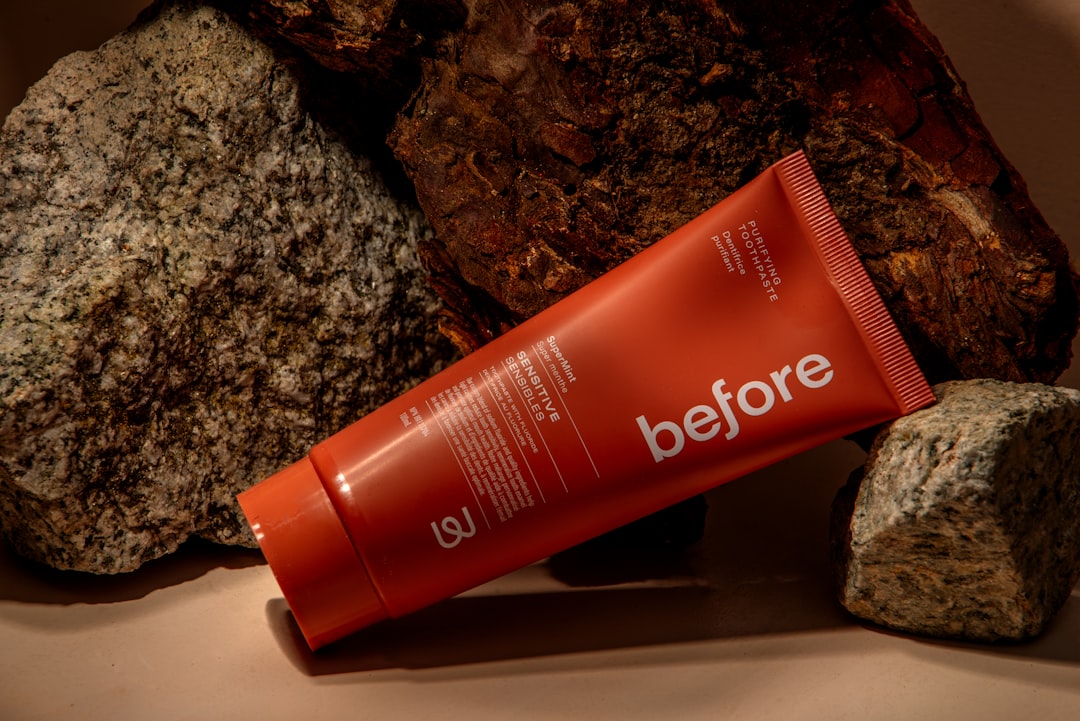
Building a Daily Skincare Routine for Sensitive Skin works best when the plan stays calm, predictable, and easy to repeat. I keep coming back to that idea because crowded shelves and dramatic claims usually make things harder, not better. The routine has to fit real mornings, real evenings, and the kind of week where you are tired, rushed, or simply not in the mood to think too hard.
If you want a broader wellness read alongside this guide, the Life and Health hub on this site is a useful place to browse. Here, though, I want to stay focused on the routine itself, because most people do not need a complicated plan. They need a clear one.
What tends to help most is a smaller set of products that you can use the same way again and again. That makes shopping easier, but it also makes your own observations more useful. If the face feels comfortable after one cleanser but not another, you can actually tell the difference. If a moisturizer sits well under sunscreen, that becomes useful information. The routine starts to work like a system instead of a guessing game.
I am also trying to avoid the usual trap of thinking more steps equal better care. A crowded shelf often means more decisions, more variables, and more chances to feel unsure. A quieter plan often does the opposite. It creates room to notice texture, comfort, finish, and timing. Those details matter more than a long ingredient story on the box.
Why a smaller routine often feels better
When a routine gets too long, it becomes difficult to know what each step is doing. That matters most when your skin tends to feel easily unsettled. A long product list creates a long list of possibilities. If the face feels off, you may not know whether the cleanser, moisturizer, serum, mask, or sunscreen changed the picture. A smaller routine gives you a clearer view. It is easier to compare, easier to repeat, and easier to keep in place on busy days.
There is also a practical side to simplicity that people underestimate. A routine that takes too long gets skipped. A routine that gets skipped does not teach you much, because you never use it consistently enough to learn from it. I prefer routines that survive real life. That means they can handle travel, early meetings, late nights, and days when you only want the basics.
The core structure is usually simple. Cleanse. Moisturize. Add sunscreen in the morning. Repeat at night in a way that feels comfortable. That is enough for many people. The point is not to win points for doing more. The point is to build something that feels steady.
There is another advantage that does not get talked about enough. A smaller routine makes product shopping less confusing. Instead of asking, “What should I add next?” you can ask, “Which step actually earns its place?” That question changes the whole mindset. It pushes the routine toward usefulness instead of novelty.
If a product sounds impressive but makes your face feel like it has to work too hard, that product may not deserve a permanent spot. If a very plain formula feels comfortable and layers well, it may be more valuable than the trendier option. Comfort has a way of winning over time.
- Fewer products means fewer variables.
- Fewer variables means clearer feedback.
- Clearer feedback makes shopping less random.
- A calmer routine is easier to repeat.
That is why a smaller routine often feels better. It is not about doing the least possible. It is about choosing the few things you can actually live with day after day.
Daily Skincare Routine for Sensitive Skin: a simple structure that stays manageable
The easiest Daily Skincare Routine for Sensitive Skin usually has two versions, one for morning and one for evening. I like to think of them as two small checklists rather than one huge plan. That keeps the routine from feeling heavy, and it keeps each step tied to a clear purpose.
Morning
Morning is usually about starting with a clean, comfortable surface. If the face feels balanced when you wake up, a quick rinse with lukewarm water may be enough. If the skin feels oily or you slept in product, a mild cleanser can make sense. After that, a moisturizer that feels comfortable in daylight can help the routine feel finished without feeling overloaded. Sunscreen comes last if you are heading into daylight.
The morning routine should fit under the rest of your day. That means you want a moisturizer that does not fight with sunscreen, and a sunscreen that does not make you want to scrub your face before lunch. Texture matters here. A formula can look great on a shelf and still be a poor match at 8 a.m. when you are trying to leave the house.
Evening
Evening usually needs a little more attention because the day has already happened. If you wore sunscreen or makeup, remove what needs to come off with a gentle cleanser. Then moisturize while the skin still feels slightly damp. That small timing detail can make the routine feel more comfortable without adding another step.
If you want to add a serum, essence, or another product, I would place it here only after the core routine feels steady. Adding too many things at once makes it difficult to know what belongs and what simply looks good on paper. One extra step, added slowly, teaches you more than three new products at the same time.
Here is the structure I would start with:
- Morning – rinse or cleanse gently, moisturize, apply sunscreen if you are going outside
- Evening – remove the day, cleanse gently, moisturize while the face still feels slightly damp
- Optional later – add one extra product only after the core routine feels stable
That structure sounds almost too simple, but that is the point. Simple routines are easier to keep, and routines that are easy to keep tend to be more useful.
How to choose a cleanser that feels comfortable
A cleanser is one of the easiest places to overthink things, because the product seems basic. People assume basic means unimportant. I think it means foundational. If a cleanser leaves the face feeling tight, squeaky, or oddly dry, the rest of the routine often has to work harder to recover comfort. That is a lot to ask from the next step in line.
When I compare cleansers, I look at four things first. How does it feel during the wash? How easily does it rinse? What does the face feel like after towel drying? And does the formula fit the time of day? Those questions tell me more than a long promise on the bottle.
| Cleanser type | When it may fit well | What to notice |
|---|---|---|
| Cream cleanser | When you want a softer feel and a calmer morning routine | Whether the face feels cushioned or coated after rinsing |
| Gel cleanser | When you want a cleaner feel without a heavy finish | Whether it rinses cleanly and still leaves comfort behind |
| Milk or lotion cleanser | When the routine needs a very gentle first step | Whether it removes the day enough for your needs without feeling too rich |
| Foaming cleanser | When you prefer a lighter feel and your skin likes that style | Whether the foam feels light or overly stripping |
Lukewarm water usually makes the whole process easier. Very hot water tends to make the face feel less comfortable, and there is no prize for rushing the cleanse. I also prefer a soft hand and a short wash time. You are trying to clean the skin, not scrub it into submission.
If you wear makeup or a heavier sunscreen, you may need a two-step removal approach on some nights, but I would only do that if the extra step clearly improves comfort. A routine can be thorough without being complicated. The test is simple. After cleansing, does your face feel clean, calm, and ready for moisturizer? If yes, the cleanser is probably doing its job.
One more practical tip. Pick a cleanser that fits your energy level. Some products feel nice on relaxed evenings but annoying when you are in a rush. If a cleanser is too fussy to use on a tired weekday, it may not be the best daily fit.
How to choose a moisturizer that fits the day
Moisturizer is where the routine becomes personal. The right formula depends on texture preference, climate, and what you plan to layer on top of it. A product that feels perfect in winter may feel too heavy in summer. A morning moisturizer may need to disappear quickly under sunscreen, while a night moisturizer can be richer if that feels comfortable.
I like to think about moisturizer in terms of finish. Do you want a light finish that sinks in fast? A creamier finish that stays on the surface a little longer? Something in between? Those differences matter because they shape the entire routine. A good moisturizer should make the skin feel easier to live in, not harder to move through the day with.
Some common support ingredients that many people notice in moisturizers include glycerin, ceramides, squalane, and hyaluronic acid. You do not need to memorize a whole ingredient chart to choose well. It helps more to notice how the formula behaves in practice. Does it layer smoothly? Does it leave a greasy film? Does it sit comfortably under sunscreen or makeup? Those are the questions that matter when the product becomes part of your daily life.
Here is a simple way to compare options:
- Lighter lotion – often useful in the morning or in warm weather
- Gel-cream – often useful when you want a lighter feel with a little more comfort than a gel
- Richer cream – often useful at night or in dry air
I also pay attention to spreadability. If a moisturizer takes too much rubbing to move across the face, that can be a sign the formula is not a good fit. A daily product should feel almost boring in the best possible way. It should go on, settle, and stay out of the way.
One trick that helps is to keep two versions in mind instead of searching for one universal formula. A lighter one for daytime, a richer one for night, if that suits your skin. That approach gives you flexibility without turning the shelf into a project.
And if you are only going to change one thing in a routine, I would usually change the moisturizer before anything else. It has a huge effect on comfort, and it is one of the easiest steps to adjust without rewriting the whole plan.
How to think about sunscreen and daytime care
Sunscreen works best as part of a routine you will actually use. That sounds obvious, but product fit matters more here than almost anywhere else. A formula can offer strong technical features and still fail in daily life if it feels greasy, pills under makeup, leaves a white cast, or takes too long to settle. The product has to fit your real morning, not your ideal one.
When I compare sunscreen options, I think about finish, wear time, and how they play with the rest of the routine. Does it feel light enough for daily use? Does it stay comfortable after an hour? Does it look the way you want it to look under makeup or on bare skin? Those are practical questions. They are better than choosing a sunscreen only because the box uses confident language.
For some people, a lighter lotion feels better. For others, a more substantial cream feels easier because it stays in place and feels familiar. Some people care a lot about shine. Others care more about dryness. There is no single texture that works for everyone, which is why comparison shopping matters.
Here is the part people sometimes skip. Daytime care does not end with the bottle. Hats, shade, sunglasses, and timing all change the feel of the routine. If you know you will be outside for a long stretch, it helps to think about the whole plan, not only the sunscreen layer. The product does not have to carry every job by itself.
I also like to match sunscreen to the way I live. If I wear makeup, I want a formula that layers cleanly. If I run errands, I want something quick. If I spend time outdoors, I want something I do not mind reapplying. A good fit is usually obvious after a few days. A bad fit becomes annoying much faster than people expect.
When sunscreen feels good, it stops being a mental hurdle. That is the goal. The routine should feel simple enough that you do not start bargaining with yourself before the day begins.
Ingredient awareness without turning shopping into homework
Ingredient awareness helps most when it stays practical. You do not need to turn every shopping trip into a chemistry lesson. You only need enough awareness to compare products sensibly and notice patterns. If a formula feels calm and easy to use, the ingredient list becomes a support tool. If the list looks crowded with extras you do not understand, that may be a clue to keep looking.
There are a few broad things I check first. Is the formula trying to do one clear job, or six things at once? Does the label emphasize daily comfort, or does it sound like it wants to do everything? Are there lots of fragrance notes or strong plant extracts if your skin tends to dislike those? Those questions are enough to narrow the field before you get lost in details.
Some people like to focus on ingredient families that often show up in comfortable daily care. Others prefer to judge by feel alone. I think both approaches can work, as long as they stay grounded in how the product behaves on the skin. A popular ingredient is not automatically the right fit. A simple formula is not automatically better either. The real question is whether the product works with your routine.
A quick label-reading checklist can help:
- What job is this product clearly trying to do?
- Does the formula look like it fits daily use?
- Does the ingredient list look crowded or focused?
- Will the texture fit morning, evening, or both?
- Does the product sound useful in practice, not just on paper?
I also try not to get pulled into marketing language too quickly. Words like calming, nourishing, or balanced can be useful, but they are not the same as proof that a product will feel good on your face. The texture and the follow-up feel matter more. If a product sounds lovely and feels awkward, the feeling wins. Every time.
This is where ingredient awareness becomes useful without becoming exhausting. It helps you buy fewer random products, choose more carefully, and stay focused on the daily routine instead of the packaging story.
Patch testing and slow product rollout
Patch testing is one of the most practical habits in skincare, and also one of the most ignored. I understand why. It feels slow. It feels unglamorous. It does not photograph well. But it can save a lot of confusion because it gives you cleaner information. If you add several new products at once and the face feels different, you will not know which product changed the picture.
The easiest approach is to add one new item at a time and live with it long enough to notice a pattern. You do not need a complicated testing ritual. You just need enough patience to see whether the formula stays comfortable when it becomes part of the normal routine. A small test area, a few days of use, and a simple note about how it felt can tell you a lot.
I like to keep the note very plain. Date. Product. Where I used it. How it felt that day. How it felt the next morning. That is enough. You are not trying to write a report. You are trying to avoid guesswork.
There is also a timing lesson here. If you change cleanser, moisturizer, serum, and sunscreen all in the same week, the whole routine becomes impossible to read. Add one thing. Wait. Observe. Then decide whether the product earns a bigger role. That pattern may feel slow, but it is faster in the long run because you are less likely to backtrack.
Patch testing is also useful for shopping confidence. Once you know how your skin tends to respond to certain textures or ingredient styles, you spend less time trying things that do not fit. That makes future decisions easier. You start noticing your own patterns, which is often the most valuable part of the process.
Think of it as a calm rollout. New product, small step, careful note, then a decision. That rhythm keeps the routine readable.
Seasonal changes, travel, and schedule shifts
A routine that only works in one season is not really finished. Weather, indoor air, travel, and sleep changes all shift the way products feel. That is normal. The goal is not to lock the skin into one perfect setup forever. The goal is to keep a stable core and make small adjustments when life changes around it.
In warm weather, lighter textures often feel easier. In dry weather, a richer cream may feel more comforting. That does not mean the whole routine has to change. It often means only the texture changes. I like to keep the structure the same and swap the feel of the moisturizer or cleanser when the season changes.
Travel asks for a similar kind of flexibility. A smaller kit works better than a full shelf in a suitcase. I usually want a familiar cleanser, a moisturizer I trust, and a sunscreen that I already know fits my day. Travel is not the best time to try a dramatic new formula. Too many other variables are already in play.
Air travel, hotels, and conference days can make the face feel different even when the routine stays the same. That is why I like to keep the plan simple when I am away from home. Fewer products. Familiar textures. No experiments unless they are absolutely necessary. The more ordinary the routine feels, the easier it is to keep using it.
Workouts, commutes, and long office hours also matter. If you know you are going to sweat, sit in dry indoor air, or spend a long stretch outside, it helps to think ahead. A routine does not have to be complicated to be responsive. It only has to be flexible enough to follow real life.
That flexibility is one of the biggest signs of a good routine. The plan should bend a little when your life bends, not break every time something changes.
Maintenance habits that keep the routine from growing too crowded
Even a careful routine can become crowded over time. A new sample here, a trending serum there, a spare moisturizer that seemed useful at the time. Before long, the shelf stops feeling calm. This is why maintenance matters. Routine care is not only about choosing products. It is also about editing them.
I like to review the routine every few weeks and ask a few plain questions. Which step feels easy? Which step feels annoying? Which product gets used every day, and which one keeps getting ignored? Those answers usually tell me what stays and what goes.
Here is the kind of check-in that helps:
- Does each product still have a clear job?
- Is the order of the routine still comfortable?
- Are there products I keep reaching for without thinking?
- Are there products I keep skipping?
- Does the shelf feel calm or crowded?
Another useful habit is to keep one short note on your phone about comfort and finish. Nothing fancy. Just a few words after a week or two. If a moisturizer felt better during dry weather, write that down. If a cleanser felt too much during a busy period, write that down too. Small notes are often enough to make the next purchase smarter.
I also find it useful to compare products against real life, not ideal conditions. How did it feel on a rushed morning? After a long walk? On a late night? During travel? Products often behave differently when the day gets messy, and that is when they either prove useful or quietly drop out of the routine.
Maintenance is really just editing. You keep the products that earn their place. You let the rest go. That habit keeps the routine from turning into a collection of good intentions.
When the routine needs a closer look
Sometimes a routine is still too frustrating even after you simplify it. When that happens, it makes sense to speak with a dermatologist or another qualified professional. I am not saying that because every small change needs expert input. I am saying it because a persistent pattern deserves a better look, especially if many ordinary products seem uncomfortable in the same way.
When you do have that conversation, bring useful information. A list of the products you use. Notes on when discomfort shows up. Photos of labels if that helps you remember ingredients. A simple timeline of when the routine changed. That makes the conversation easier and keeps it grounded in real use instead of memory alone.
I also think it helps to be specific about the routine itself. Say what texture you like. Say what finish you dislike. Say what time of day feels easiest. Those details matter more than broad statements like “my skin is picky.” The more specific your notes are, the more useful they become.
If the routine works well most of the time but falls apart with one product, that product may simply not fit. If many different products create the same uncomfortable pattern, a closer look can help you understand why. Either way, you are gathering better information, not chasing a perfect shelf.
The whole point of a Daily Skincare Routine for Sensitive Skin is not to make your bathroom look impressive. It is to make daily care feel easier to repeat. Simple products, careful changes, and a little patience usually do more than a shelf full of extras. The calm routine is often the one you can actually keep, and that is what gives it value.