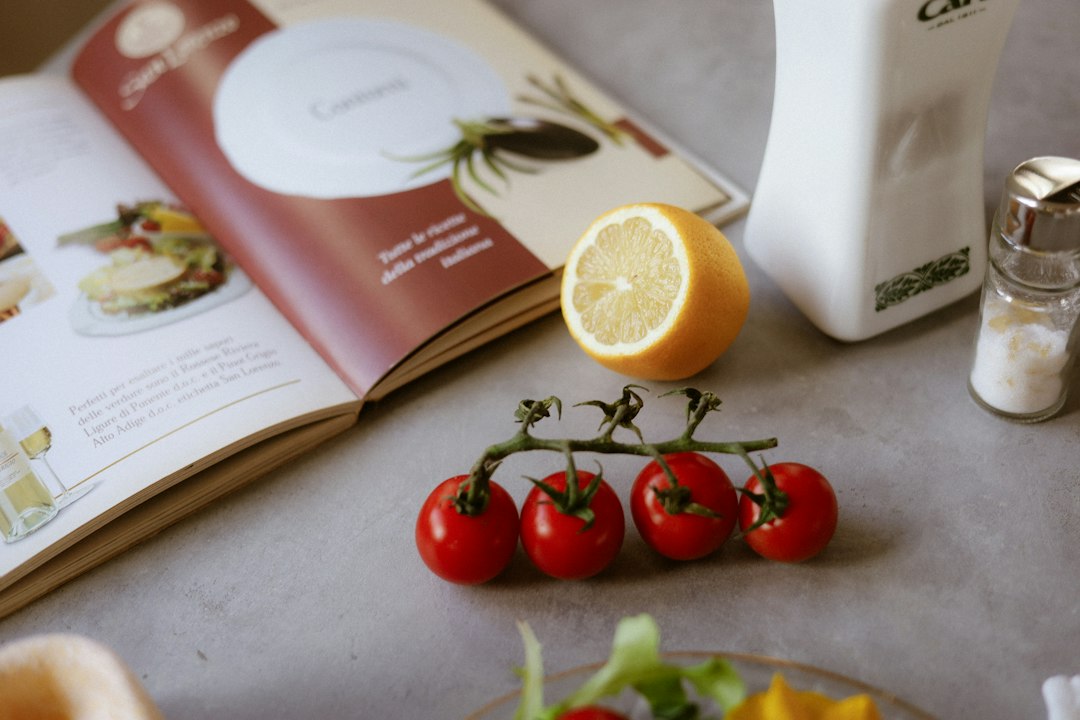
The phrase Mediterranean diet meal plan often brings to mind artful plates and complicated recipes, but most people want something simpler: a repeatable, affordable way to put balanced food on the table. This guide turns that idea into a workable routine you can follow for four weeks and beyond, with grocery lists, pantry staples, time-saving strategies, and flexible meals for busy weekdays and relaxed weekends.
Why the Mediterranean approach fits real life
The Mediterranean pattern is less about strict rules and more about a set of everyday habits: frequent vegetables and fruit, beans and lentils, whole grains, nuts and seeds, olive oil as the main added fat, regular seafood, moderate dairy, and smaller amounts of poultry and eggs. Red meat appears less often. Desserts lean toward fruit, yogurt, or small portions of something sweet you truly enjoy. Herbs, citrus, garlic, vinegar, and spices bring flavor without relying on heavy sauces. Because this style is built around simple staples, it adapts well to different budgets, cooking skills, and cultural tastes.
What makes it practical is the “mix and match” logic. Instead of learning hundreds of recipes, you learn a few base formulas—grain bowl, sheet-pan dinner, soup-stew, salad-with-protein, and beans-on-toast—then rotate ingredients. That keeps variety high while grocery lists stay short. It also means one household can support different preferences: the same base salad can go vegetarian for one person with chickpeas and feta, and pescatarian for another with tuna or salmon.
Mediterranean diet meal plan: 4-week overview
This 4-week template is designed to be flexible. Use it as a map, not a contract. Swap days, repeat favorites, and scale servings for leftovers. Each week follows a familiar rhythm: quick breakfasts, packable lunches, and dinners that rely on one-pan methods or hands-off cooking. The weekend is your chance to batch-cook a pot of grains or beans, roast vegetables, and prep dressings. Those “anchors” make fast weekday assemblies possible.
Weekly rhythm at a glance:
- Breakfasts: 10–15 minute options on rotation
- Lunches: bowls, soups, or sturdy salads that hold up in the fridge
- Dinners: one-pan sheet bakes, skillet meals, or grill/air-fryer options
- Snacks: fruit, yogurt, nuts, olives, veggie sticks with hummus
- Weekend prep: cook grains and beans, roast a tray of vegetables, blend one dressing, chop a “starter kit” of aromatics (onion, garlic, carrots, celery)
Macros and portions can be individualized, but a reliable plate template is half vegetables, a quarter whole grains or starchy vegetables, and a quarter protein, with olive oil or tahini for richness and fat. Use your appetite and schedule as a guide: bigger lunches if afternoons are active; slightly larger dinners on days with evening workouts or late shifts.
Pantry and fridge setup: the Mediterranean core
Before week one begins, stock foundational items. This helps you respond to cravings or last-minute schedule changes without abandoning your plan. You do not need everything at once—buy what you’ll use in the next two weeks, then add a few new items each cycle.
Core pantry staples:
- Grains: brown rice, farro, quinoa, couscous (including whole-wheat), bulgur
- Legumes: chickpeas, lentils (green, brown, or red), cannellini or navy beans
- Canned fish: tuna packed in olive oil, salmon, sardines, anchovies
- Nuts and seeds: almonds, walnuts, pistachios, sesame, sunflower, chia
- Oils, acids, and flavor: extra-virgin olive oil, red wine vinegar, lemon juice, capers, olives, Dijon mustard
- Tomato helpers: canned diced tomatoes, tomato paste, passata
- Spices: oregano, thyme, cumin, smoked paprika, coriander, chili flakes, cinnamon
- Broth: low-salt vegetable or chicken broth (carton or bouillon cubes)
Fridge and freezer basics:
- Produce: leafy greens, cucumbers, tomatoes, onions, carrots, celery, bell peppers, zucchini, lemons
- Protein: eggs, plain yogurt, feta or a firm cheese, chicken thighs or breasts, ground turkey, tofu or tempeh (if you like plant protein)
- Seafood: frozen salmon, cod, shrimp, or mussels
- Bread: whole-grain sourdough or pitas (freeze extra)
- Herbs: parsley, basil, mint, dill (fresh or frozen herb cubes)
With these on hand, you can build grain bowls, soups, pastas, salads, and toast-based meals in minutes. If you’re new to olive oil, try a few brands and keep one you enjoy for everyday cooking plus a “finishing” bottle with robust flavor for salads and drizzling.
Budget and time-saving strategies
Eating well does not require exotic products. A few strategic habits stretch your budget and energy.
- Shop the overlapping list: pick two grains, two legumes, two proteins, and four vegetables you’ll use in multiple meals this week.
- Cook once, eat twice: double a stew or a tray of roasted vegetables so tomorrow’s lunch assembles in five minutes.
- Use texture swaps: if salmon is pricey, swap for canned tuna or sardines; if pine nuts feel splurge-y, use sunflower seeds.
- Segment prep: rather than a 3-hour Sunday cooking block, prep in pockets—15 minutes to wash and roast vegetables while rice cooks; 10 minutes to whisk a dressing while you unload groceries.
- Buy frozen when it helps: peas, spinach, artichokes, and shrimp are consistent, affordable, and reduce waste.
- Season smart: citrus, vinegar, and herbs make budget staples feel vibrant.
If you track costs, a Mediterranean‑style week can be very affordable by relying on beans and whole grains for many meals, using seafood a few times, and saving poultry or cheese for flavor accents rather than the entire centerpiece.
Week 1: simple starts and flavor foundations
Think of week one as a warm‑up. Try new combinations, notice what fills you, and keep notes about portions. Below are example rotations—mix items so the same grocery basket serves several meals.
Breakfast ideas (10–15 minutes):
- Yogurt bowl with berries, walnuts, and a drizzle of olive oil or honey; sprinkle cinnamon
- Avocado and tomato on whole‑grain toast with lemon, olive oil, and chili flakes
- Overnight oats with chia, grated apple, and raisins; add almonds in the morning
- Spinach and feta omelet with a side of whole‑grain bread
Lunch ideas (packable):
- Bulgur tabbouleh with chickpeas, cucumbers, tomatoes, parsley, lemon, and olive oil
- Lentil soup with carrots, onions, and celery; finish with lemon and dill
- Greek‑style salad with olives, feta, peppers, and a tin of tuna (optional)
- Leftover roasted vegetables over quinoa with tahini‑lemon sauce
Dinner ideas (one‑pan focus):
- Sheet‑pan lemon chicken thighs with potatoes, red onions, and oregano
- Tomato‑garlic shrimp over whole‑wheat couscous with parsley
- Stuffed peppers with farro, mushrooms, and herbs (add ground turkey if you like)
- Quick pasta puttanesca with olives, capers, tomatoes, and anchovies
Snack and dessert ideas:
- Fresh fruit, dates with walnuts, or a square of dark chocolate
- Hummus with cucumbers, carrots, and bell pepper strips
- Olives and a slice of whole‑grain bread drizzled with olive oil
- Yogurt with honey and pistachios
Week 2: building a repeatable routine
By week two, pick favorites from week one and add 2–3 new meals. This creates a “house menu” you can rely on when life is busy. Keep techniques simple: roasting, sautéing, boiling, and “assembly” meals.
Breakfast ideas:
- Olive oil fried egg on toast with wilted greens and a squeeze of lemon
- Cottage cheese or yogurt with sliced peaches, almonds, and nutmeg
- Tomato‑basil breakfast salad with a side of whole‑grain bread
Lunch ideas:
- White bean and tuna salad with red onion, parsley, and lemon
- Tomato‑lentil stew finished with olive oil and fresh herbs
- Orzo salad with chickpeas, cucumbers, cherry tomatoes, and feta
Dinner ideas:
- Skillet ratatouille (eggplant, zucchini, peppers) served with polenta or brown rice
- Salmon with dill yogurt sauce, lemony green beans, and roasted potatoes
- Whole‑wheat pita pizzas topped with tomato, mozzarella, olives, and arugula
Snacks and desserts stay simple—fruit, nuts, yogurt, and small portions of baked goods you enjoy. If you bake, olive oil cakes and fruit‑forward crisps align with the style without being complicated.
Week 3: more variety, same core methods
Variety helps keep momentum. Try one new legume, one new grain, and one new fish or plant protein this week. Consider farro in place of rice, red lentils for a quick creamy soup, or sardines on toast with lemon and herbs.
Breakfast ideas:
- Red‑pepper and herb frittata; serve warm or chilled
- Overnight oats with orange zest, dates, and pistachios
- Thick yogurt topped with pears, tahini, and sesame seeds
Lunch ideas:
- Farro bowl with roasted broccoli, chickpeas, and lemon‑tahini dressing
- Tomato‑white bean soup with rosemary and garlic
- Shaved carrot and fennel salad with oranges, olives, and grilled chicken (optional)
Dinner ideas:
- Cod baked with tomatoes, olives, capers, and herbs; serve with couscous
- Whole‑wheat pasta with garlicky greens and cannellini beans
- Grilled vegetable platter (zucchini, peppers, mushrooms) with herbed yogurt and warm pitas
Week 4: confidence and personalization
By week four, you’ll likely know which meals satisfy and fit your schedule. Personalize portions, adjust proteins, and refine your shopping list. Many people settle into a “3‑3‑1” dinner rhythm: three plant‑forward meals centered on beans or lentils, three seafood or poultry meals, and one flexible night (leftovers or a social meal).
Breakfast ideas:
- Pan‑toasted whole‑grain bread with ricotta, sliced figs or grapes, and honey
- Vegetable‑packed shakshuka with eggs simmered in a tomato‑pepper sauce
- Yogurt parfait layered with oats, fruit, and nuts
Lunch ideas:
- Chickpea “Niçoise” bowl with potatoes, olives, tomatoes, and mustard‑lemon vinaigrette
- Roasted vegetable sandwich on whole‑grain bread with pesto or olive tapenade
- Simple minestrone with seasonal vegetables and small pasta
Dinner ideas:
- Herbed chicken or tofu souvlaki with lemony cucumber salad and whole‑wheat pitas
- Shrimp and tomato orzo with lots of parsley
- Stuffed eggplant with bulgur, pine nuts (or sunflower seeds), and herbs
Breakfasts that actually happen
Morning meals work when they’re fast, portable, and something you want to eat. Use a two‑part formula: a base you keep steady (yogurt, oats, toast, or eggs) plus seasonal produce and a small handful of nuts or seeds. Keep 2–3 combinations on repeat so you do not start from zero each day.
Quick breakfast planner:
- Base: yogurt or kefir; oats or whole‑grain bread; eggs
- Fruit/veg: berries, apples, oranges, tomatoes, spinach
- Crunch & fat: walnuts, almonds, pistachios, sesame, olive oil
- Flavor: cinnamon, lemon zest, herbs, honey, or a pinch of salt
If mornings are rushed, try prep at night: assemble overnight oats, wash berries, or chop vegetables for a fast skillet hash. A small drizzle of olive oil over yogurt may sound unusual, but it adds richness and makes a simple bowl feel special.
Lunches that travel well
Lunch determines how the afternoon feels. Sturdy salads, bowls, and soups hold up better than delicate greens. Use a wide‑mouth jar or rectangular container so dressings and textures stay distinct until you mix them.
Packable frameworks:
- Grain + bean + crunchy veg + herb + dressing (farro + chickpeas + cucumbers + parsley + lemon‑tahini)
- Soup + whole‑grain bread + fruit (lentil soup + sourdough + orange)
- Salad + protein tin (Greek‑style salad + tuna or sardines)
Make one dressing per week—e.g., 3 parts olive oil, 1 part lemon or vinegar, spoon of Dijon, salt, pepper, dry oregano—and store in a jar. Shake before using. This single habit transforms leftovers into a bowl you want to eat.
Dinners with minimal cleanup
Weeknights call for low‑effort wins. Sheet‑pan, skillet, and grill/air‑fryer meals deliver speed and flavor. Build dinners around the vegetable, then add a protein and a starch if needed.
One‑pan ideas by technique:
- Sheet‑pan: cherry tomatoes, zucchini, and red onion with chicken thighs; or cauliflower, chickpeas, and red peppers with cumin and paprika
- Skillet: garlicky greens with white beans and lemon; or mushrooms and tomatoes with eggs cracked in for a fast shakshuka
- Grill/air‑fryer: fish fillets brushed with olive oil, lemon, and herbs; or herbed tofu with peppers and onions
To boost flavor quickly, finish hot food with fresh herbs, lemon zest, or a spoon of good olive oil. A small sprinkle of cheese can go a long way without turning the dish heavy.
Snacks and small desserts that support the pattern
Snacks can either drift you off course or keep the day steady. The simplest approach is to stock fruit you love, plain yogurt, nuts, olives, and crisp vegetables. Pair two: fruit and nuts, yogurt and berries, vegetables and hummus. A small sweet is fine—making room for something delightful helps long‑term consistency.
Easy snack combinations:
- Apple slices with almond butter and a pinch of cinnamon
- Cherry tomatoes, olives, and feta cubes
- Greek yogurt with roasted grapes and crushed pistachios
- Whole‑grain toast with mashed white beans, lemon, and herbs
For dessert, consider baked fruit, olive oil cake, or a few dates with coffee or tea. If evenings feel long, plan a snack that truly satisfies so the night does not turn into random browsing in the pantry.
How to eat out, travel, and socialize
Plans succeed when they account for real life. Restaurants, office lunches, and road trips can fit the pattern with a few simple cues.
- Scan menus for vegetables, seafood, beans, and whole grains; ask for olive oil and lemon on the side.
- Share dishes so you can taste something rich while keeping the overall meal balanced.
- At fast‑casual spots, assemble a bowl: greens + grain + beans or fish + vegetables + olive oil‑based dressing.
- For travel, pack nuts, fruit, and whole‑grain crackers; look for yogurt cups and canned fish in shops.
- At gatherings, fill half your plate with vegetables and salads first, then add proteins and grains you like.
Social meals are part of the experience. Enjoy them, notice what feels good, and slide back into your home rhythm at the next meal without judgment or complicated “make‑up” rules.
Personalizing for preferences and needs
The Mediterranean style is a framework, not a single script. Tailor it to your situation, tastes, and guidance from a qualified professional if you have specific considerations. Below are common adaptations people use successfully.
Vegetarian or mostly plant‑based:
- Beans and lentils become your primary proteins; vary textures (whole beans, hummus, baked falafel).
- Eggs, dairy, tofu, tempeh, and seitan can supplement as desired.
- Use nuts and seeds for richness—tahini dressings, pesto, and nut toppings.
Seafood‑forward:
- Plan 2–3 seafood dinners weekly (salmon, cod, shrimp, mussels); keep a few canned options for quick lunches.
- Grill, bake, or poach with olive oil, herbs, and citrus to keep methods simple.
Gluten‑free or wheat‑light:
- Choose rice, quinoa, buckwheat, polenta, or certified gluten‑free oats.
- Check labels on broths, condiments, and grains; rely on potatoes and beans for hearty starches.
Lower‑salt cooking:
- Use bright flavors—lemon, vinegar, garlic, herbs—to season.
- Rinse canned beans, choose low‑salt broths, and season food at the table to taste.
Food allergies or intolerances:
- Build your rotations around foods you tolerate well; many combinations work without dairy, eggs, or specific nuts.
- Keep texture variety high—roasted vegetables, creamy bean spreads, crunchy seeds, and juicy fruit.
Flavor made easy: dressings, sauces, and toppers
Small flavor boosters make everyday meals satisfying. Keep one dressing, one herb paste, and one crunchy topper ready most weeks.
- Lemon‑tahini: tahini, lemon juice, water to thin, garlic, salt, pepper
- Herb drizzle: chopped parsley and mint, lemon zest, olive oil, pinch of salt
- Quick tomato relish: chopped tomatoes, capers, red wine vinegar, olive oil
- Crunch mix: toasted seeds (sunflower, sesame) with a little smoked paprika
These travel across meals: drizzle tahini sauce on roasted vegetables and grain bowls; spoon herb drizzle over fish, chicken, or beans; use tomato relish for eggs or grilled bread. A jar of something punchy can rescue a plain lunch in seconds.
Grocery lists and a sample weekend prep
Here is a compact list that supports a week of meals for two people. Adjust quantities to your household and how often you rely on leftovers.
Produce: 2 lemons, 1 head garlic, 1 bunch herbs (parsley or dill), 1 large onion, 1 cucumber, 1–2 bell peppers, 1 zucchini, 1 bag salad greens, 1 lb tomatoes, 1 lb potatoes, 1–2 seasonal fruits (berries, apples, oranges)
Proteins: 1 dozen eggs, 1–2 tins tuna or salmon, 1 lb chicken thighs or tofu, 1 container plain yogurt, small block feta
Grains & legumes: 1 lb brown rice or farro, 1 lb lentils, 2 cans chickpeas, 1 loaf whole‑grain bread
Flavor & extras: extra‑virgin olive oil, vinegar, olives, capers, tomato paste, a few spices you like
Sample weekend prep (90 minutes, split into pockets):
- Cook one pot of grains (rice or farro) and one pot of lentils (cool, then store).
- Roast a tray of mixed vegetables (toss with olive oil and salt): zucchini, peppers, onions, or whatever you have.
- Whisk one jar of dressing.
- Chop aromatics (onion, garlic, carrots, celery) and store for quick soups or sautés.
- Wash and dry greens; store in a container with a paper towel.
How to measure progress and stay consistent
Consistency grows from small wins. Instead of tracking every bite, pick two or three anchor habits for a month and watch how they feel. Many people notice better energy when lunches are planned and when vegetables are prepped ahead. You can also keep a short note on your phone: “meals that worked,” “prep that helped,” and “adjust for next week.” After four weeks, your list becomes a custom playbook.
Anchor habits to try:
- Prep one pot of grains and one pot of beans every weekend
- Make one dressing to use across bowls and salads
- Set a default breakfast for weekdays
- Pick two weeknight dinners that require one pan
If momentum dips, return to the simplest rotation and rebuild from there. Repeating meals is not a flaw; it is how routines settle in. A few weeks of repeating what works usually feel easier than chasing novelty every day.
Common hiccups and practical fixes
Every plan meets friction. The goal is not perfection; it is a flexible system that holds under pressure. Here are frequent sticking points and ways to adapt.
- No time to cook: Use canned beans, canned fish, microwavable grains, and pre‑washed greens. Add lemon and olive oil, and you have a meal in minutes.
- Boredom: Introduce one new herb, spice, or sauce weekly—smoked paprika one week, dill and lemon zest the next. Swap your grain (bulgur for rice, couscous for quinoa) for a new texture.
- Budget strain: Rotate more bean‑centered meals and choose frozen vegetables and seafood. Buy nuts and olive oil in bulk when on sale.
- Household preferences: Serve a flexible base with optional add‑ons (cheese, olives, chicken, or fish). Let each person finish their plate with what they enjoy.
- Travel or holidays: Plan an “exit ramp”—keep shelf‑stable items at home so the first meal back is easy (pasta, tomatoes, olives, and olive oil).
Routines thrive when you keep tools visible and ready: a sharp knife, a cutting board you like, a reliable sheet pan, and containers that make leftovers appealing. Small upgrades to your setup often help more than chasing new recipes.
From four weeks to a long‑term rhythm
After a month, the plan becomes simpler: keep a short list of your most satisfying breakfasts, two or three packable lunches, and five or six dinners that you can cook on autopilot. Build your grocery list directly from that “house menu,” and then add one or two fun extras when time allows. This approach supplies structure without feeling rigid.
For more ideas and practical guides across nutrition topics, explore resources on CAMC Health. When you need a reset, return to the basics—vegetables, beans, whole grains, olive oil, and citrus—and rebuild the week around those elements. The Mediterranean style rewards this kind of simplicity.
In the end, a workable Mediterranean routine is not about perfection. It is about a pantry you trust, a few techniques you enjoy, and a template you can follow on busy days or relaxed weekends. Start with what you have, cook once or twice more than last week, and let your plan evolve in a way that fits your life.