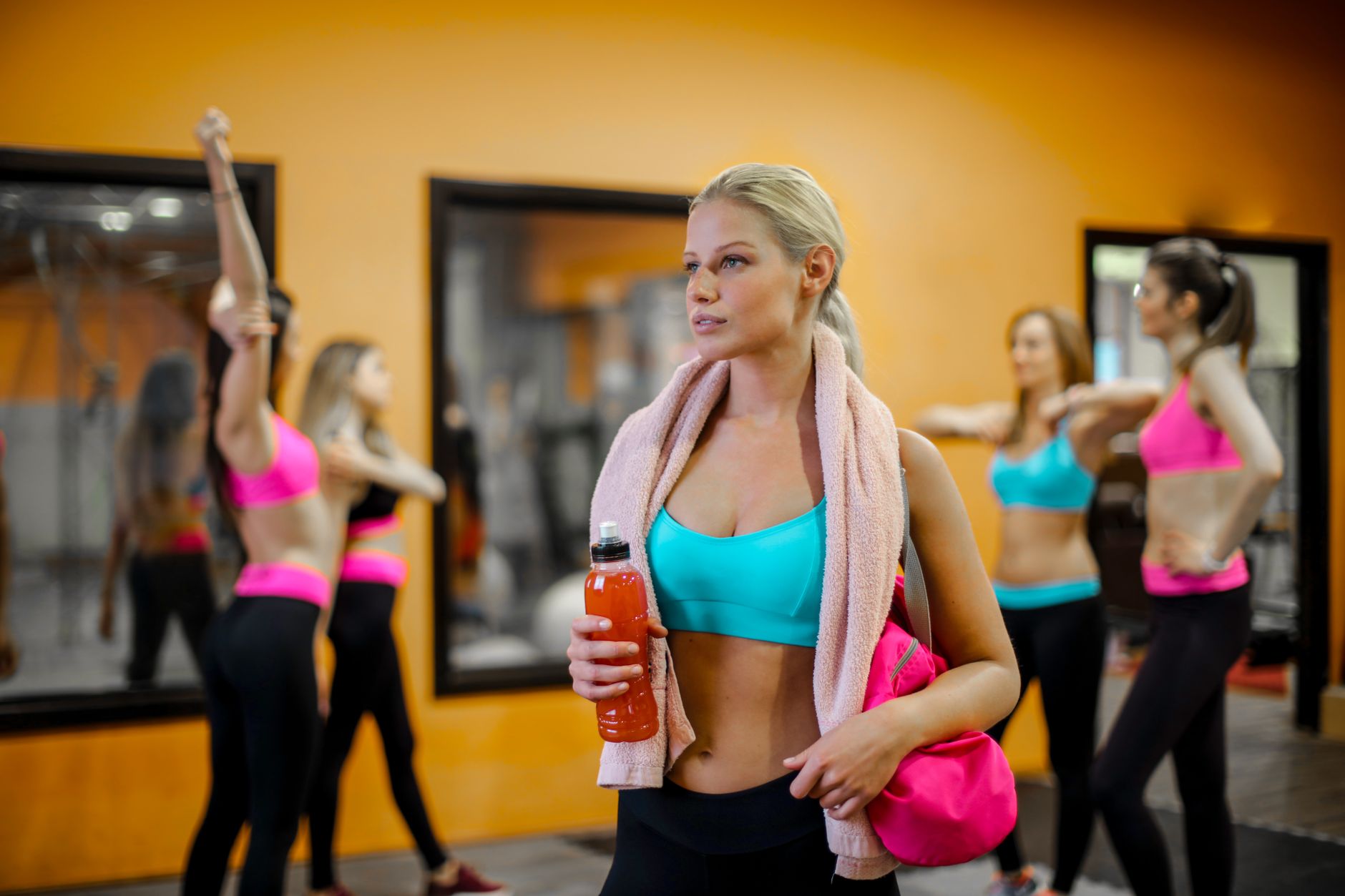
A women’s hydration routine does not need to feel strict, expensive, or complicated. The versions that last tend to look ordinary. A glass on the counter. A bottle in the bag. Water with breakfast. A refill before the afternoon slump. Small habits like these work because they fit into real life instead of asking life to slow down for them. Building a women’s hydration routine around your actual schedule makes the habit easier to notice and easier to keep.
Most people do better when hydration is tied to moments they already remember. That might be after waking up, before leaving the house, when opening a laptop, or when sitting down for dinner. The goal is not to build a perfect system. The goal is to make drinking enough water feel so natural that it stops taking energy to think about it. If you want more everyday wellness ideas, you can also browse Women’s Health on CamCHealth for related reading and new routines to try.
women’s hydration routine: a practical template you can personalize
Good routines look different from one person to the next, yet they often follow the same structure. They use visible cues, simple containers, and predictable refills. They work with food instead of against it. They adapt to workdays, travel days, and days at home.
Here is a straightforward template you can adjust without much effort:
- Morning cue: one glass during your first fixed task of the day. That could be while the kettle warms, while feeding a pet, or while checking the day’s calendar.
- Desk or on-the-go cue: keep a bottle in sight; take a few sips when you switch tasks or return from a restroom break. Visibility does much of the work for you.
- Meal pairing: add water-rich foods to at least one meal, and place a glass next to your plate even if you only sip it slowly.
- Afternoon reset: refill before the final stretch of the day, whether that is a commute, school pickup, or closing emails.
- Evening wind-down: light sips with dinner or after; enough to feel comfortable, not so much that it disrupts sleep.
Try different versions of each step until one feels easy. Ease is not laziness; it is design. When a routine removes friction, you are more likely to follow it even when the day runs long.
Morning anchors that make the rest of the day easier
Mornings are reliable because they repeat. You probably make the same moves most days: open curtains, check messages, start breakfast, or brew coffee. Attaching hydration to one of those moves builds a low-effort anchor for the rest of the day.
Practical ideas to try:
- Set a glass by the sink at night so it greets you. If you prefer chilled water, leave a bottle in the fridge on the front shelf so you see it when the door opens.
- Pair the first glass with something you already enjoy. If you like coffee, drink water while the machine warms. If tea is your routine, sip water while the kettle boils.
- Add a light flavor if that makes it easier. A slice of lemon, orange, cucumber, or a few mint leaves can make morning water feel more inviting without adding much time.
- Keep a small notebook on the counter with a simple checkbox list: open curtains, water the plant, drink water, feed the pet. Checking a box turns a micro-habit into a small win.
- Prepare the night before on busy weeks. Place your bottle by your bag, near your keys, or on top of your planner. A visible cue in the right place beats a loud reminder in the wrong place.
What if mornings feel crowded? Simplify further. Take a few sips before opening any apps. Set a tiny rule like “drink while the toast pops” or “drink when the coffee grinder starts.” When a glass of water sits next to an action you already do, the habit builds without extra effort.
Daytime pacing: simple ways to keep steady without overthinking
The middle of the day is where routines often fade. Work stretches out, messages multiply, and concentration narrows. Pacing helps. Instead of chasing a single large goal, keep hydration steady with small moments spread across the day. The pattern matters more than the numbers on a chart.
Consider these light-touch tactics:
- Refill during natural breaks. Finish a bottle after a focused work block, then top it up when you stand to stretch. If you work in sprints, use the pause between sprints as your cue.
- Keep water visible. A bottle on the desk is stronger than an app notification buried under six others. Visibility reduces the memory load.
- Match sip size to the moment. Tiny sips during a meeting. A few larger ones after you walk or climb stairs. No need to force a fixed amount at every stop.
- Use light tracking only if you enjoy it. Two notches on a paper sticky note can be enough. Heavy tracking adds work; light tracking adds awareness.
- Notice routine blockers. If long calls block your habit, pour a glass before the call begins. If your bottle goes missing, set a home base on your desk so it returns to the same spot.
People often ask about caffeine or sparkling water. Both can fit into a comfortable routine. If you enjoy coffee or tea, think of them as part of your overall beverage pattern, then add plain water nearby. Sparkling water can add variety and make the day more interesting. When variety keeps the routine alive, it is doing its job.
Drink choices: plain, sparkling, herbal, and gentle flavor ideas
Plain water is simple, widely available, and easy to pair with other drinks. That said, variety can help your routine survive busy seasons. Here are flexible options with pros and context so you can choose what fits your day.
- Plain water: the simplest default. It pairs well with meals, work, and travel. Try different temperatures to see what you enjoy. Some people prefer room temperature in the morning and chilled in the afternoon.
- Sparkling water: adds fizz and interest. Keep it as a complement rather than a replacement if you find bubbles make you sip less often. Use cans or a home carbonator if that speeds up refills.
- Herbal infusions: warm, calming, and helpful in colder weather. Many herbal blends add comfort without caffeine. Keep a small jar of tea bags at your desk for quick variety.
- Light flavor boosters: citrus slices, cucumber, mint, ginger, or berries. Keep a small container in the fridge so adding a slice or sprig is faster than thinking about it. If you enjoy reusable infuser bottles, they can make flavoring mess-free.
- Broths and simple soups: especially useful on winter days. A warm cup can feel soothing and add fluid alongside lunch.
- Electrolyte-style options: some people enjoy lightly flavored mixes, especially after active periods. When used as a flavor nudge rather than a heavy sweet drink, they can keep the habit interesting. Choose simple blends you like, and adjust based on taste and comfort.
What about drinks with caffeine or sugar? Context matters. You can enjoy coffee, tea, or a sweet drink within a balanced day. A helpful approach is to keep plain water within reach alongside those choices so comfort stays steady. Instead of strict rules, use proximity: place water wherever your other drinks live so the choice stays easy.
Food synergy: use meals and snacks to keep the day comfortable
Hydration does not belong only to drinks. Many foods contain plenty of water and pair naturally with a calm routine. Adding a few water-rich items to meals and snacks can make comfort easier to maintain, especially on days when refills run late.
Ideas to fold into normal meals:
- Breakfast: yogurt with berries, a slice of melon, or a small bowl of citrus. Oats with sliced fruit. A smoothie with milk or non-dairy milk and frozen fruit if you enjoy blended drinks.
- Lunch: salads with tomatoes, cucumbers, or lettuce; sandwiches with crisp greens; soups or broths on cooler days.
- Snacks: grapes, oranges, apples, or lightly salted popcorn with a glass of water. Keep a small container of sliced fruit within reach for desk days.
- Dinner: add a vegetable side with moisture—like sautéed greens or roasted zucchini—and place water on the table for light sips.
Pay attention to texture and timing. Crunchy produce can feel fresh early in the day. Softer options like soups or yogurt can feel gentler late in the afternoon or evening. On days with salty or spicy meals, keep a bottle nearby; pairing water with bolder flavors can make the meal feel balanced without turning hydration into a chore.
Choosing bottles, cups, and containers: make refilling effortless
The right container is more than a vessel; it is a cue. The bottle you see is the bottle you use. The lid that opens easily is the one you open often. Small details compound across a week.
Comparison factors to consider:
- Size: large bottles reduce refills at a desk; small bottles fit better in bags. Many people pick one for home and one for travel.
- Material: stainless steel helps keep drinks cooler; glass feels clean; lightweight plastic travels easily. Choose what you will actually carry and wash.
- Lid style: a fast-flip lid or straw can be quicker in short breaks. A screw lid can feel more secure in a bag. Match the lid to the place you use it most.
- Cleaning: a wide mouth makes cleaning simpler. Check whether parts are dishwasher-friendly. A bottle brush can turn “I should clean this later” into a one-minute job.
- Visibility: transparent bottles make progress obvious; opaque bottles may look cleaner on a desk. Some bottles have subtle markers that help you sense pace without tracking apps.
Practical maintenance tips:
- Set a weekly wash day. A quick soak with mild soap, warm water, and a brush keeps bottles fresh. Let parts dry fully before reassembling.
- Keep a spare. A second bottle means you can rotate when one is drying or forgotten in the car.
- Create a home base. Choose a default spot for your bottle: left of the keyboard, next to the lamp, or on a shelf by the door. Returning it to the same place makes it easy to find.
- Label work or school bottles. A simple sticker or initials on the bottom can help when bottles gather in shared spaces.
Hydration at work and during remote or hybrid days
Workdays can hide simple habits. Meetings compress time, focus narrows, and even tiny tasks push a glass of water off the desk. That is why work needs its own version of the routine—small, visible, and flexible.
Desk or office strategies:
- Set two checkpoints: drink when you open your laptop and again before lunch. These two points alone can keep a steady rhythm on busy days.
- Keep a bottle within your field of view. If it slips behind a monitor, it disappears. Place it near your mouse hand or notebook so you touch it often.
- Use physical cues over digital alerts. A sticky note on the monitor, a rubber band around the bottle, or a small charm on the lid can be enough to catch your eye.
- Prime long meetings. Pour a glass before a call begins. When the call ends, take a sip before the next task. Two seconds of setup can carry a 90-minute block.
Remote and hybrid strategies:
- Designate a “work bottle” and a “home bottle.” One lives by the computer, one lives in the kitchen or living area. This reduces the number of times you wander around searching.
- Place a coaster on the table where you like to work. It becomes the visual home for your bottle and a reminder to return it there between tasks.
- Pair hydration with breaks you already take: stretching, looking away from the screen, or stepping outside for a minute. A routine rides on existing rhythms.
Field and service work strategies:
- Use smaller, more portable bottles and plan quick refill stops. Keep a map in your head—coffee shop near the 11 a.m. delivery, water fountain by the stairwell, or a gas station on the route.
- Keep a small cooler or insulated bag in the car for hotter months. Cold water can feel more inviting and hold attention during long routes.
- Carry a spare bottle with a different color lid. The contrast makes it easier to spot the spare in a crowded trunk or back seat.
Travel, errands, and long days out of the house
Travel days and errand-heavy days change everything: the setting, the cues, the timing. Rather than building a complex travel system, create a portable version of your normal routine.
Simple travel moves:
- Pack a small, durable bottle for walking around and a larger one for car or hotel use. The small one helps in airports and city streets; the large one reduces trips to the ice machine.
- Use consistent storage. Keep your bottle in the same pocket of your bag or the same car cup holder. Repetition reduces the chance of leaving it behind.
- Plan predictable refill stops: after security at the airport, at lunch, and when you return to the hotel. Tie refills to clear landmarks so you remember them under stress.
- Bring a light snack that adds comfort—fruit, yogurt, or a simple sandwich with crisp vegetables. Food and water together often feel better than water alone.
Event and venue tips:
- Check rules for bottles before concerts, games, or conferences. Many places allow empty bottles that you can fill inside.
- Look for water stations early so you do not rely on memory later. A quick glance during the first break saves time at the end of the day.
- Use a car “reset.” Leave a full bottle in the car so when you return from a store or appointment, you have an easy sip before driving away.
Movement, heat, weather, and active days
Active days have a different pace. A routine that works at a desk might need extra attention when you walk more, exercise, or spend time outdoors. Instead of turning the day into a calculation, use a simple before-during-after rhythm: a small drink before moving, a few sips if you pause during the activity, and a refill afterward.
Practical details for comfort:
- Before activity: take a moment and sip. This does not need to be a large amount; it can simply be enough to feel ready.
- During longer activities: carry a bottle if it is practical. If your hands will be full, place a bottle at a point you will pass twice.
- After activity: refill without overthinking. Pair it with a small snack like fruit, yogurt, or a sandwich to make the pause more satisfying.
- Hot, dry, or windy days: small, more frequent sips often feel easier than trying to drink a lot at once. Clothing with breathable fabrics and a shade break can make steady sipping more comfortable.
If you enjoy outdoor workouts, choose a bottle that fits your route. A handheld bottle works for short runs; a belt or lightweight backpack can help on longer routes; and for walks, a simple shoulder bag can hold a bottle without slowing you down. Matching the container to the movement keeps the habit intact.
Common obstacles and how to make the routine mistake-proof
Most routines fail for simple reasons: we hide the bottle, we rely on willpower, we set goals that do not match the day, or we expect perfection. Mistake-proofing is the friendly way to keep progress going.
Frequent obstacles and low-effort fixes:
- Out of sight, out of mind: make the bottle impossible to miss. Put it next to your mouse or notebook. Choose a color that stands out in your space.
- Forgetfulness: attach hydration to a reliable action you already do, like opening email, starting a call, or stepping outside with the dog.
- All-or-nothing thinking: if you miss one glass, the day is not lost. Resume at the next cue. Consistency grows from repeatable returns, not single perfect days.
- Taste fatigue: rotate temperatures and flavors. Room temperature in the morning, chilled in the afternoon; plain water most of the day with an herbal cup in the evening.
- Lost bottles: keep a spare. Label your main bottle if you share spaces at work or school. Return it to the same home base every time.
- Complicated tracking: ditch complex apps if they feel heavy. A single paper line across a sticky note can represent one finished bottle. When the line fills, you are done.
When you design for messy days, the routine survives. That might mean a “floor version” of your habit: one glass in the morning, one refill with lunch, and one in the evening. This smaller version keeps the rhythm alive until your schedule calms down.
Evening and night: wind down without disrupting sleep
Evening hydration works best when it feels calm and optional. The aim is comfort, not a late-night rush to catch up. A simple rule helps: light sips with dinner, and if you want more later, keep it gentle.
Tips for a sleep-friendly pattern:
- Place a small glass near where you relax in the evening. A small pour encourages light sips rather than a big late drink.
- If you like to read in bed, keep a small bottle on the nightstand. Take a few sips if you wake briefly, then return to sleep.
- Match flavors to the moment. Herbal infusions with mild flavors can feel soothing as a part of your wind-down routine.
- Plan the next day. Fill your morning bottle and set it where you will see it when you wake. Tomorrow’s cue begins tonight.
Some people notice that large late drinks make sleep choppy. If that happens to you, move most of your sipping earlier in the day, and keep evenings light and unhurried.
Myths, realities, and gentle guidelines
Hydration advice can be confusing. Myths circulate because simple numbers feel easier than flexible patterns. A few gentle guidelines can reduce the noise and make your day feel more grounded.
- No single number fits everyone. Bodies, climates, and days vary. Instead of chasing a universal target, build a repeatable pattern you can adjust.
- Hydration is not a competition. More is not automatically better. Aim for comfort and a steady rhythm rather than extremes.
- Fancy gear is optional. A reliable bottle, a sink, and a few good habits beat complex systems you dislike using.
- Food matters. Water-rich foods and balanced meals can make your routine feel smoother without adding extra steps.
- Listen to cues. Notice how you feel at different times of day. Adjust accordingly with simple moves: a refill before the commute, a glass before a long meeting, a small sip before bed.
- Questions about special situations—such as pregnancy, postpartum schedules, or new exercise routines—are personal. General tips can help, and when you want tailored guidance, a qualified professional who understands your context can offer personalized advice.
Mini experiments: find what works in seven days
If you are not sure which version of a routine fits best, run small experiments. Seven days is long enough to learn without feeling locked in.
Experiment ideas:
- Temperature test: room temperature water for three days, chilled water for three days, then decide which felt easier to repeat.
- Flavor rotation: pick two light flavors (citrus and mint, or cucumber and ginger). Use one in the morning and one in the afternoon for a week to see whether variety keeps your attention.
- Container swap: try a straw lid versus a spout lid. See which one you open more often during calls or errands.
- Visibility tweak: set your bottle on the left of your keyboard for three days, then on the right for three days. Keep the spot where you noticed it more.
- Meal pairing: add a water-rich side to lunch for a week and notice whether afternoons feel steadier.
At the end of seven days, keep what felt easy and drop what felt fussy. A routine made of small, pleasant steps is the one most likely to last.
Checklists, maintenance, and weekly tune-ups
A short checklist reduces decisions and keeps your routine healthy. Use it as a guide, not a scorecard.
- Visibility: bottle in sight at your main workspace.
- Start: one glass in the morning tied to a reliable cue.
- Refills: two predictable refill points in your day.
- Food pairings: at least one meal or snack with water-rich items.
- Flavor: a simple, low-effort option ready when you want variety.
- Spare: a backup bottle clean and available.
- Maintenance: wash bottles weekly; let parts dry fully.
Weekly tune-up questions:
- Which day felt easiest? What was different about it?
- Where did the bottle disappear? How can you make that spot more visible?
- Did flavor or temperature matter this week?
- Is your current bottle the right size for the season ahead?
When you review gently, the routine improves without pressure. One small adjustment per week is enough to keep momentum.
Putting it all together: a sample week for different schedules
Here are three sample outlines. They are not rules. They show how the same pattern flexes across different kinds of days.
Desk-heavy week:
- Morning: one glass while the coffee brews. Bottle on the left side of the keyboard.
- Mid-morning: a few sips before the first call. Refill after the call ends.
- Lunch: soup or a salad with tomatoes and cucumbers. Place a glass near your plate.
- Afternoon: refill before the last work block. Herbal infusion during the final emails.
- Evening: light sips with dinner; fill the morning bottle before bed and set it by the bag.
Errand-heavy week:
- Morning: a chilled bottle placed in the bag alongside snacks.
- On the move: refill when you pass a known water source; take sips when you return to the car.
- Lunch: simple sandwich with crisp vegetables and a side of fruit.
- Afternoon: small sips before each stop; backup bottle in the car for when lines are long.
- Evening: warm infusion at home; prepare the next day’s bottle in advance.
Active week:
- Morning: one glass with breakfast; place a bottle by the door for later.
- Before activity: a small sip; bring a portable bottle or place one along the route.
- After activity: refill and pair with fruit or yogurt.
- Afternoon: a steady rhythm of light sips, perhaps with sparkling water for interest.
- Evening: simple dinner with water-rich sides; light sips as the day winds down.
Notice what repeats across all three: a morning start, visible containers, a couple of reliable refills, some help from food, and a calm evening. This is the backbone of a routine that fits ordinary life.
A simple endnote
The durable version of a women’s hydration routine is not the most complex one. It is the one you barely notice because it sits inside your day already. A bottle you like. A cue you repeat. A meal that lends a hand. Tiny tune-ups when the season changes. When the habit feels pleasant and visible, it does not need willpower to survive. It simply keeps going, even on a regular Tuesday.