This guide uses daily wellness routine as the starting point for the practical advice below. 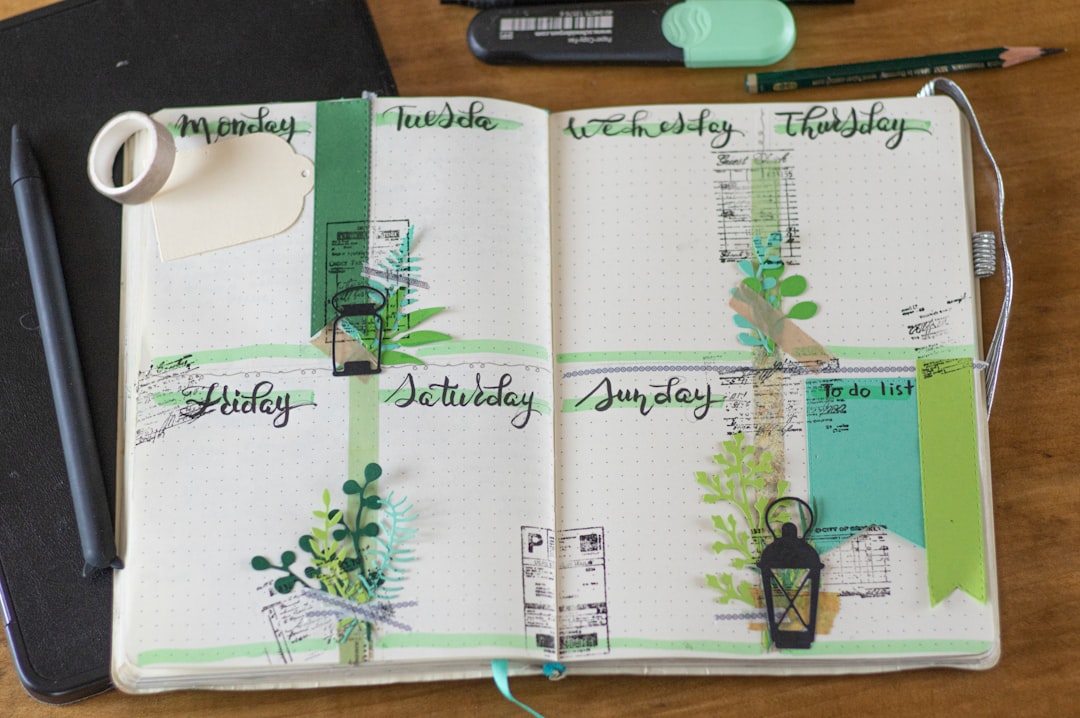
A daily wellness routine feels more achievable when it is built from small, repeatable actions that match your real schedule. The aim is not perfection or a dramatic life overhaul. It is a friendly set of defaults that guide how you wake, hydrate, move, eat, pause, wind down, and use devices. This practical guide offers examples, checklists, and templates you can personalize at your pace. For broader lifestyle inspiration and gentle habit ideas, explore the Life and Health section on our site.
daily wellness routine: core building blocks
Think of your routine as a lightweight framework that supports the day when motivation dips or plans change. A helpful routine usually includes seven pillars: morning activation, hydration, movement, flexible meals, calm micro-pauses, an evening wind-down, and digital boundaries. Each pillar has a basic version for busy days and an expanded version for when you have more time or energy.
Two ideas help these pillars stick. First, make every habit smaller than you think. Two minutes counts. One glass of water counts. Five lines in a journal count. Shrinking the bar reduces friction and preserves momentum. Second, link new habits to events that already happen. Pour water while the kettle heats. Stretch before you open your laptop. Read for five minutes after you turn the last light down. When habits ride existing cues, they become easier to repeat without much effort.
Pick one pillar to start this week. Decide on a bare-minimum action, a time cue, and a visible reminder. Track wins, not streaks. If a day goes differently than planned, simply return to your minimum the next day. Your routine is a compass, not a scorecard.
Start small: anchors, cues, and friction removal
Small design choices make helpful habits easier and more automatic. Anchors are reliable moments that naturally repeat, like boiling water for tea, returning from a bathroom break, or closing your last work tab. Cues are visual prompts that nudge the next action, like a water glass beside the coffee maker or walking shoes near the door. Friction removal means clearing obstacles before they trip you up.
Use this checklist to design anchors, cues, and low-friction defaults:
- Place a filled water bottle on your desk each morning.
- Set your phone charger outside the bedroom to reduce late-night scrolling.
- Keep resistance bands near the couch for quick mobility sets.
- Put a book on your pillow as a reminder to read for five minutes before lights-down.
- Lay out walking shoes the night before on days with early meetings.
- Batch-prep easy ingredients (washed greens, roasted vegetables, cooked grains) once or twice a week.
- Move your calendar alert for a stretch break to a time you typically pause already (for example, just after lunch).
These small adjustments remove decision fatigue. When helpful actions are visible and near at hand, they require less willpower. You can also set gentle timers for transitions that often derail you—such as a reminder to dim the lights an hour before bedtime or to step outside for sunlight after your first meeting. The tools you use are optional; the goal is simply to lower friction and make the next helpful choice easier.
Morning activation routines for different schedules
Mornings shape the tone of your day. A five- to ten-minute activation sequence is often enough to create a clear ramp from sleep to engagement. Choose steps that feel inviting, not intimidating, and design them to fit your particular morning rhythm.
Try this basic two-minute version on busy days:
- Open the blinds or step outside for light exposure.
- Take five slow breaths while standing tall.
- Drink one glass of water before coffee or tea.
When time allows, extend the sequence:
- Two minutes of mobility: neck rolls, shoulder circles, ankle rotations, and a gentle forward fold.
- A five- to ten-minute walk (outdoor if possible, indoor hallway if not).
- One line of intention in a notebook: “Today I’ll pause for lunch,” or “I’ll take a short walk between calls.”
Common obstacles include rushing, screens, and interruptions. If your phone pulls attention first thing, move the charger away from the bed and use a simple alarm clock. If mornings are noisy, keep the sequence short and repeatable: light, breaths, water, one stretch. On weekends, expand your activation into a tidy kitchen reset, a favorite breakfast, or a longer walk. The point is consistency, not intensity. A small ramp repeated most days often feels more helpful than an occasional long session that is difficult to maintain.
Hydration planning across busy workdays
Comfortable hydration is practical when you build it around cues you already have. Rather than chasing a precise number, anchor hydration to predictable moments: right after waking, before meals, and during your longest work block. Keep water visible and portable so you can sip without effort.
Practical ideas you can put in place quickly:
- Pair a small glass of water with your first hot drink; place the glass next to the kettle or coffee maker.
- Use natural transitions as prompts: take a sip when you start a new task or return from a break.
- Add variety if plain water feels dull: citrus slices, mint, cucumber, or sparkling water texture.
- Carry a bottle that fits your hand and bag; keep a spare in the car if you drive often.
- Place a pitcher on the dinner table so refills are easy and visible.
For desk-heavy days, try a light tracking experiment for one week. During your longest work block, draw three small boxes in your notebook and shade a box each time you finish a portion of your bottle. The goal isn’t precision; it’s awareness. For fieldwork or commuting, refill whenever you pause to fuel, park, or check messages. These gentle systems work because they rely on moments that already occur, not on constant reminders.
Movement menu: micro, short, and longer sessions
Movement supports energy, posture, and day-to-day comfort. Your routine does not need long workouts to be helpful; it benefits from small actions repeated often. Keep a baseline of micro-movements most days, add short sessions when time allows, and enjoy longer sessions when your schedule supports them.
Build your movement menu with three tiers:
- Micro-movements (2–5 minutes): stand during a call, stretch your shoulders and wrists, or walk to a window for sunlight.
- Short sessions (10–20 minutes): brisk walks, beginner bodyweight circuits (squats, wall pushups, lunges, plank), or a short yoga flow.
- Longer sessions (30–45 minutes): classes, bike rides, hiking, swimming, or a sport you enjoy.
Reduce friction by setting a default time and keeping a go-bag with essentials: comfortable shoes, a small towel, headphones, and a water bottle. If weather or workload disrupts your plan, fall back to a micro-movement. The success metric is steady repetition across weeks, not one perfect day. Consider a three-day rotation you can loop:
- Day A: 15-minute walk + 2 minutes of shoulder mobility.
- Day B: 10-minute bodyweight circuit + easy stretch.
- Day C: 20-minute walk with a hill or stairs + 5-minute stretch.
If you sit for long periods, set a gentle alert every 60–90 minutes to stand, roll your shoulders, and gaze at a distant object for 20 seconds. These small resets help you feel fresher without needing a full workout window.
Meals: flexible templates and grocery planning
Food choices can be both nourishing and flexible. A simple plate template can reduce decision-making while adapting to household preferences and cultural traditions. Most of the time, build meals from three parts: a protein source you enjoy, colorful produce, and a carbohydrate you digest well. Add a small amount of fat for flavor and satisfaction.
Use a short list of go-to options for busy days:
- Breakfast: yogurt with fruit and oats; eggs with toast and tomatoes; overnight oats with seeds; a smoothie with spinach and peanut butter.
- Lunch: leftover dinner; a grain bowl with beans and vegetables; chicken wraps with crunchy salad; hearty soup with bread.
- Dinner: baked fish with roasted vegetables and rice; tofu stir-fry with noodles; chili with a side salad; an omelet with greens and potatoes.
Make shopping easier with a two-tier list. Top-shelf items live in the pantry or freezer (frozen vegetables, canned beans, eggs, whole grains). Fresh add-ons include leafy greens, tomatoes, seasonal fruit, and herbs. When schedules tighten, lean on the top shelf and keep meals simple and satisfying. Batch-prep a few components once or twice a week—wash greens, roast a tray of vegetables, cook grains, and shake up a simple dressing. Place these ingredients at eye level in the fridge as a visual prompt. The combination of a balanced template and visible components makes the next meal straightforward.
Calm breaks and attention resets
Many days include stressors you cannot fully control. What you can influence is the cadence of short resets. Micro-moments of calm—thirty seconds to two minutes—help the nervous system settle between tasks. These tiny pauses are practical because they fit inside existing transitions.
Build your calm menu with easy options:
- Box breathing: inhale for four counts, hold for four, exhale for four, hold for four; repeat three rounds.
- Shoulder sweep: inhale to lift your shoulders, exhale as you drop them with a sigh; repeat three times.
- Gaze break: look at a distant object for 20 seconds if you work at a screen.
- Micro-walk: walk to the end of the street, a hallway, or around your building; notice three colors and three sounds.
- Hands in warm water: rest your hands under warm water for 30 seconds; simple warmth can feel grounding.
Pair these with everyday cues. After sending a big email, take three slow breaths. When the kettle boils, stretch your wrists. If tension rises, step outside and name one thing you see, hear, and feel. The target is not to remove every stressor; it is to offer your body small chances to reset. Over time, these resets add up to a steadier baseline.
An evening wind-down for sleep comfort
Landing the day gently can help tomorrow feel more settled. Your wind-down window signals that activity is closing and rest is approaching. Keep it simple and consistent so it fits different evenings. Dim lights, a warm shower, a paper book, light stretching, or a short journal entry are all friendly options.
Test this three-step wind-down:
- Set a gentle “lights-down” reminder about an hour before your target bedtime. Use it as a cue to wrap screens, tidy a small area, or place tomorrow’s first task on your desk.
- Do something soothing for five minutes: a warm shower, foam rolling, or a quick nightstand tidy. Small order brings a sense of closure.
- Pick a calming activity: a few pages from a paper book, relaxed breathing, or a quiet conversation.
If your mind races at night, keep a notepad by the bed. Jot down to-dos or thoughts and say to yourself, “Morning me will handle it.” Environment matters too. Cooler temperatures, fewer bright lights, and a tidy room make settling easier. If you share space, agree on a quiet time for the household. Gentle evening habits help everyone ease toward rest.
Digital boundaries and device habits
Devices organize work and connection, but they can also crowd your mental space. You do not need to quit technology to regain clarity; a few device boundaries can make a strong difference. Pick one or two rules that feel helpful and realistic, then reinforce them with cues and placement.
Try this simple plan:
- Designate a “home” for your phone after dinner—on a side table or kitchen counter away from the bedroom.
- Create a focus mode for deep work blocks that hides social apps and nonessential notifications.
- Batch messages into one or two windows per day; outside those windows, give attention to the task or person in front of you.
- Curate inputs: follow accounts that lift you up and mute ones that drain your energy.
If your role requires responsiveness, agree on expectations with your team. For example: “I check messages at the top of each hour,” or “Call for urgent items; everything else can wait for the next window.” On personal time, protect a device-free block each week—a walk, a meal with family, or an hour with a book. Clarity grows when attention has fewer competing demands.
Environment design and home reset systems
Your surroundings can make helpful choices automatic. Physical cues replace the need for constant willpower. Keep a foam roller near the couch, a bowl of fruit on the counter, and walking shoes by the door. Clear your desk at the end of the day and place a single sticky note with tomorrow’s first task. The less clutter in your line of sight, the easier it is to start.
Consider the “golden triangle” of home and work surfaces: kitchen counter, desk, and bedside. If each space has one cue that nudges the next action—water bottle, minimal desk, book on the pillow—you reduce decision fatigue. Lighting also matters. Bright light over the desk says “focus.” Warm light in the evening says “wind down.” Weekly, reset your environment by returning items to their homes and restocking easy wins like tea, fruit, oats, and frozen vegetables. These resets are maintenance for your routine, like recharging a battery.
For storage and organization, apply friendly constraints: one basket for clean workout gear; one shelf for pantry staples; a small tray for keys and headphones. Constraints simplify choices and help you find what you need quickly. If a space consistently feels cluttered, remove one item and test the difference for a week. Small edits create compounding ease.
Review loops and maintenance rituals
Consistency grows when you review what works and where friction appears. A short weekly review—ten to fifteen minutes—helps you adjust the routine to your current season. Ask: What felt good this week? Which habit showed up even on hard days? Where did friction spike? What can I make easier?
Use a simple scorecard for your pillars. For each day, mark whether you touched the habit (yes/no). At the end of the week, write one line of reflection: “Hydration was steady; evening reading faded; meetings cut into movement—try a lunchtime walk.” Then adjust one thing, not everything: move your book to the nightstand, pack a small afternoon snack, or set two calendar alerts for a stretch. Monthly, reflect on how your routine fits your current projects, travel, or caregiving duties. If you are unsure what to modify, choose the smallest pillar and make it simpler. Ease fuels repetition.
Maintenance rituals keep the routine friendly. Sunday resets might include washing greens, cooking grains, refilling pantry staples, or laying out walking shoes. Midweek micro-resets could be clearing two items from the desk, refilling the water pitcher, and adding a soft lamp to the living room. These rituals do not need to be perfect; they simply keep the path clear for your minimums.
Travel, shift work, and caregiving adjustments
Real life changes the shape of your days. The pillars can bend with those changes when you anchor them to reliable cues in each context. On travel days, hydration anchors can be airport waits, train stops, or hotel check-in. Movement can be hallway walks, stair sets, or brief mobility sequences in a quiet corner. Evening wind-downs can be five minutes of dim light and a couple of pages from a familiar book.
For shift work, tie activation to “after waking” rather than a specific clock time. Keep a small snack and water at the start of each shift. Use a ten-minute walk or gentle stretch at hand-off time. If shifts rotate, simplify meals by keeping top-shelf ingredients ready—eggs, beans, frozen vegetables, grains—and building plates from the flexible template. Caregiving seasons benefit from habits that tuck beside duties: fill your bottle when you fill someone else’s; stretch while the kettle boils; read a page while the dishwasher runs.
When energy dips, choose the smallest version of a habit and protect that minimum: light and water in the morning, a two-minute stretch midday, dim lights and a quick tidy before bed. Returning to your minimum is the skill that keeps the routine steady during demanding weeks.
Common obstacles and friendly fixes
Every routine faces obstacles. A friendly plan anticipates them and keeps options ready.
- No time: Use the smallest version of each pillar. Two minutes counts. Stack a stretch onto something you already do, like boiling water for tea.
- Low energy: Start with light exposure and slow breathing. If you feel drained, pick calming actions over intense sessions.
- Family logistics: Make simple charts for shared chores, set a device basket for meals, and keep fruit visible. Small systems help everyone.
- Weather or space limits: Alternate indoor and outdoor options. Keep a short indoor routine on a sticky note (mobility, bodyweight, breath).
- All-or-nothing thinking: Replace “I missed a day” with “I returned today.” The return matters more than the streak.
- Monotony: Use light variety. Swap your walk route, try a new tea, or play calm music during an evening tidy.
Build a small reserve for tough days: shelf-stable snacks, extra tea bags, a spare water bottle, and a gentle playlist. A reserve removes one decision when energy is scarce.
7-day starter plan and checklists
Testing a short starter plan can jump-start your routine. Keep the steps small and repeatable so you learn which cues fit your life. Use these prompts for seven days, then keep the plan or adjust one pillar at a time.
- Day 1: Morning activation—light, five breaths, water. Write one line of intention.
- Day 2: Hydration—one glass before coffee or tea, bottle at desk. Add citrus or mint.
- Day 3: Movement—5-minute stretch; if energy allows, add a 10-minute walk.
- Day 4: Meals—balanced dinner from the three-part template; cook a grain for tomorrow.
- Day 5: Calm—two micro-pauses between tasks; try box breathing.
- Day 6: Evening wind-down—lights-down reminder; read two pages.
- Day 7: Review and reset—ten-minute reflection; restock fruit and oats; tidy one small area.
Starter checklists you can print or pin to your phone:
- Morning: light; breaths; water; mobility (optional); intention line.
- Workday: bottle visible; sip at task changes; two stretch alerts; one 10-minute walk (optional).
- Meals: protein + produce + carb; fresh add-on; top-shelf backup options.
- Evening: lights-down reminder; soothing five-minute action; book or quiet time.
- Devices: focus mode during deep work; message windows; phone “home” after dinner.
Repeat this sequence next week, upgrading only one pillar. Keep the others simple. In a month, your routine will feel more natural and less like a project.
Mindset: wins, minimums, and gentle variety
Helpful routines rely on a steady mindset. Three ideas support long-term consistency. First, celebrate small wins. Write them down, share them with a friend, or mark a playful symbol on your calendar. Second, protect minimums. Decide on the smallest version you will defend on busy days (light and water in the morning, one stretch midday, dim lights at night). Third, use gentle variety. Swap walking routes, rotate breakfast choices, and change the location of your evening reading once in a while. Variety keeps boredom low without making the routine complex.
It can be motivating to track how many days you touched a pillar rather than counting long streaks. If your brain loves streaks, reframe them as “return streaks”—how many times you returned to your minimum after a break. This mindset makes the routine friendlier and more resilient.
Putting it together: your personal routine map
Use the framework below to assemble a routine map tailored to your day. Keep your map short enough to read at a glance and flexible enough to bend when plans shift.
- Activation: light, breaths, water; optional mobility or short walk.
- Hydration: glass before hot drinks; bottle visible; sip at task changes.
- Movement: micro-movement anchor; a default short session; an optional longer session.
- Meals: three-part plate; top-shelf backups; weekly ingredient prep.
- Calm: two micro-pauses; a favorite breathing pattern; a short walk for perspective.
- Evening: lights-down cue; soothing five-minute action; book or journaling.
- Devices: phone “home”; focus mode windows; curated inputs.
Place your routine map on the fridge, your desk, or at the top of your notes app. Review weekly, adjust the smallest friction point, and protect your minimums. Over time, these friendly defaults become how you move through the day, even when life is busy.
Your daily wellness routine is not a perfection contest. It is a quiet collection of choices—made easier by design—that help you feel steady and comfortable. Keep it small, visible, and flexible. When you return to your minimums and enjoy small wins, the routine begins to carry itself.