You can design a menstrual self care routine that feels supportive, realistic, and kind to your schedule. This guide focuses on comfort, energy, and daily routines you can adapt through the month. Whether you’re starting from scratch or refining what already works, a menstrual self care routine can help you feel more organized and steady around your period without strict rules.
What a menstrual self care routine really means
In everyday life, self care is not a fancy spa day; it’s small habits that keep you comfortable, hydrated, rested, and connected to what your body needs. A routine is just your repeatable plan that reduces decision fatigue when energy dips or moods shift. That plan is flexible: it adjusts based on where you are in your month and what your day looks like. It’s also practical: you can do it at home, at work, on campus, or while traveling.
Three ideas shape everything in this guide:
- Simple over perfect. A 10-minute wind-down, a warm drink, and breathable pajamas can do more than an elaborate plan you can’t keep.
- Progress over pressure. If you only do one thing on a busy day—like filling your water bottle or swapping tight clothes for softer fabric—you’re still supporting yourself.
- Personal over popular. Your comfort kit, movement menu, and skincare choices are about your body and your context, not trends.
As you read, build a shortlist of habits you can keep across most weeks. You’ll see checklists and prompts so you can assemble a kit, map your calendar, and create gentle routines for mornings, evenings, and hectic days.
Map your month: four phases, four intentions
People experience their cycles differently, and cycle length varies. Instead of strict rules, use this four-part map as a flexible way to choose the right support for each week.
Menstruation: comfort and energy conservation
Focus on warmth, softness, and fewer decisions. This might be the week to simplify outfits, keep snacks within reach, and choose lower-effort meals. If you can, reduce intense commitments for a day or two and add micro-breaks between tasks. Keep a heat source (like a soft, safe heat pad) handy, and refresh your comfort kit so it’s ready when you are.
Follicular: gentle reset and fresh momentum
As your energy may begin to rise, lean into light organization: restock your groceries, refresh your water bottle habit, and set an achievable movement goal (for example, two 20-minute walks). If skincare or hair tends to feel different later in the month, note that here and plan ahead for product swaps (like fragrance-free moisturizer or a soothing cleanser) if your skin becomes more sensitive.
Ovulation: social energy and planning power
If this is a higher-energy stretch for you, schedule collaborative work, meal prep, and errands. This week is useful for batching tasks that help your later, lower-energy days. Batch-cook a protein base, wash and portion fruit, and restock period supplies so you aren’t scrambling when you need them. Consider checking your wardrobe for breathable underwear and leggings that won’t dig in.
Luteal: ease, tidying, and lowering friction
As energy and patience may change, lower the bar for what counts as “done.” Place your comfort items where you’ll use them: a small basket near the couch with a soft blanket, lip balm, and a heating option; a bedside glass carafe; a go-bag with your preferred period products. Create a default dinner list (soups, stews, omelets, frozen veggies) and set up reminders for wind-down and hydration. This is also a good time to soften workouts and aim for consistency over intensity.
Keep the map flexible. If your month doesn’t line up neatly with these labels, swap intentions around. The goal is a routine that meets you where you are, not a schedule that expects you to be someone else.
Comfort toolkit: build, test, and restock
A well-packed comfort kit saves energy. Think of it as a small, portable set of items you can keep at home, work, or in your bag. Use this checklist to assemble yours, then refine after a month of real use.
Core items:
- Heat source: a soft heat pad, a microwaveable wrap, or a hot water bottle with a cozy cover
- Hydration: a bottle you like to use, herbal tea bags you enjoy, or electrolyte packets if your day runs long
- Comfort wear: breathable underwear, high-waist leggings or joggers with gentle waistbands, and soft socks
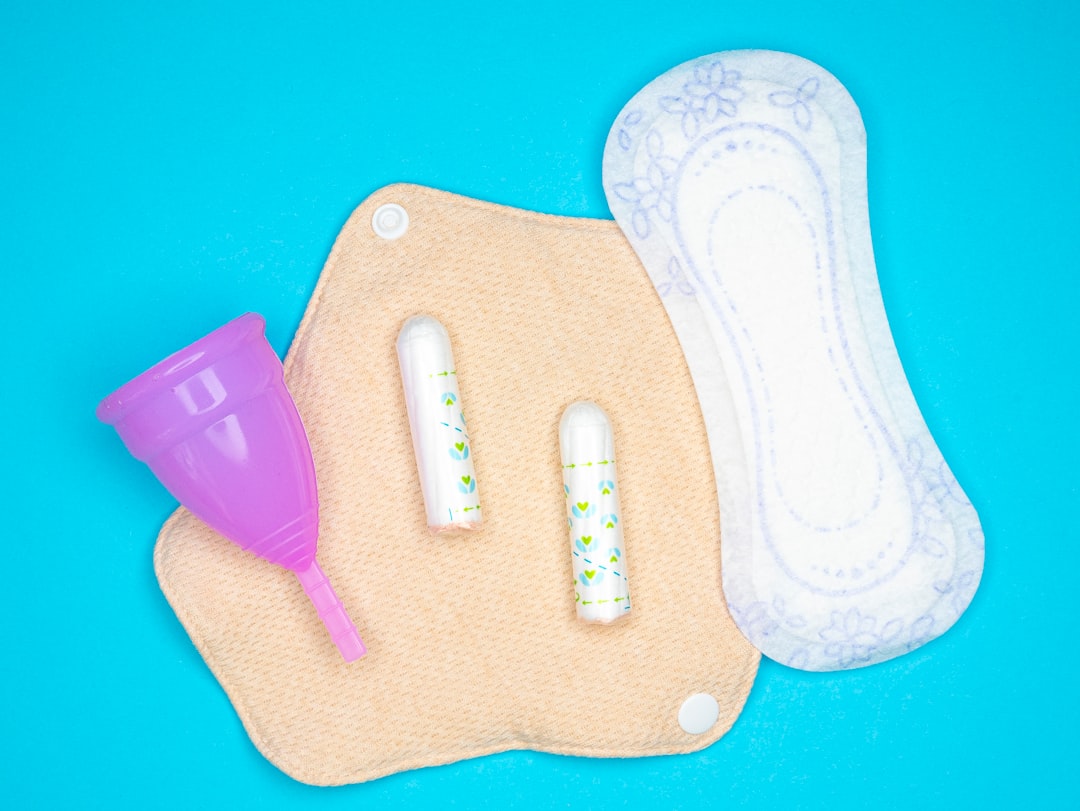
- Period products you prefer: pads, tampons, menstrual cups, or discs—plus a small pouch and wet wipes for your bag
- Light snacks: crackers, nuts, fruit cups, dark chocolate, or soup packets for quick warmth
- Calming aids: a playlist, a short guided breathing track, or a journal for a brief brain dump
Selection tips for period products:
- Pads and liners: Easy, familiar, and widely available. Look for breathable designs if you’re sensitive to friction. Change regularly for comfort.
- Tampons: Convenient for movement and swimming. Consider the lowest absorbency that works for you and change regularly. If you’re new to tampons, practice at home on a slower day to reduce stress.
- Menstrual cups or discs: Reusable and often budget-friendly over time. Practice insertion and removal on a calm day, and read the maker’s care instructions. Many people benefit from trying different sizes or shapes to find a comfortable fit.
Restocking routine:
- Once a month, refill the pouch in your bag and the basket in your bathroom.
- Keep a small “backup” kit at work or school: 2 pads or tampons, a pair of underwear, and a travel-size wipe.
- After your period, note what you used and what stayed untouched. Adjust next month’s kit based on real life, not assumptions.
Food and hydration: comfort-forward, energy-aware choices
Food is part of comfort. Instead of strict rules, build a menu that supports steady energy and easy digestion. If you have specific dietary needs or restrictions, adapt these ideas so they fit your life, preferences, and budget.
Gentle ideas to try:
- Warm, simple meals: Soups with beans or lentils, rice bowls with roasted veggies, or omelets with leafy greens provide comfort and are easy to assemble.
- Iron-aware plates: If your period is heavy, you may feel more energized when your meals include iron sources like beans, lean meats, or iron-fortified grains, paired with vitamin C sources (citrus, bell peppers) for supportive absorption.
- Fiber and steady carbs: Oats, brown rice, quinoa, and whole-grain toast help support fullness and steady energy. Pair with protein or healthy fats to help you feel satisfied.
- Hydration rituals: Keep a bottle within reach; flavor water with lemon, mint, or berries; or alternate herbal tea with water during cooler days.
- Snack smart: Prep easy combos like yogurt and fruit, crackers and cheese, or hummus and carrots so you have options when you need a quick bite.
Awareness without all-or-nothing thinking:
- Caffeine: Some people feel better limiting coffee during certain weeks; others feel fine. If coffee leaves you jittery, try half-caf, green tea, or time your cup after a meal.
- Salt and packaged snacks: If you feel puffy, experiment with cooking at home a bit more that week and swapping in potassium-rich foods like bananas or sweet potatoes.
- Sweets: Pleasure matters. If you enjoy dessert, choose a portion you’ll savor and balance the rest of the day with fiber, protein, and water.
Fueling is personal. Keep a simple note in your phone: what felt good, what didn’t. After two or three months you’ll see patterns that help you plan grocery lists that match your real appetite across the month.
Movement menu: gentle, doable, and varied
Movement can support mood, circulation, and a sense of routine. The point here is not performance; it’s options you can choose without pressure. Create a small menu you can follow without thinking too hard.
Ideas by phase (adapt as you like):
- Menstruation: Gentle stretching, a 10–20 minute walk, restorative yoga, or lying with a warm heat source for a short relaxation practice. If you’re not up for movement, rest counts.
- Follicular: Build back with light to moderate walks, easy cycling, or a short bodyweight routine (squats, push-ups against a wall, glute bridges). Keep the sessions short and consistent rather than long and demanding.
- Ovulation: If you feel energetic, enjoy your preferred activity—dance, swimming, hiking, or a favorite class. Choose supportive clothing, hydrate, and listen for any signals to dial it back.
- Luteal: Lean into steady, rhythmic movement like walking and low-impact workouts. If motivation dips, set a micro-goal: 10 minutes outdoors or 10 minutes of stretching. Pair movement with an audiobook or calming playlist to create a positive association.
Motivation and comfort tricks:
- Lay out soft, breathable clothing the night before.
- Use a “start tiny” rule: begin with two minutes. If it feels good, keep going; if not, you did something kind for yourself.
- Track mood and energy next to your workouts. You may notice certain times of the month are perfect for certain activities.
Cycle-friendly skincare and body care
Skin can feel different during your month. Some people notice oiliness shifts, dryness, or sensitivity at certain times. A gentle, consistent routine often works better than frequent product changes.
Core routine pillars:
- Cleanse kindly: Use a gentle cleanser once or twice daily based on how your skin feels. Avoid harsh scrubbing. Lukewarm water is usually more comfortable than hot.
- Moisturize: Apply a fragrance-free moisturizer that suits your skin type. If you feel drier later in the month, add a light layer of a simple face oil or a richer cream at night.
- Daily sunscreen: Many people find a lightweight, non-greasy sunscreen easiest to keep up with. Reapply as directed when outdoors for longer periods.
- Patch test new products: When adding something new, test on a small area for a few days before using it widely. This habit helps you notice how your skin responds.
Cycle-aware adjustments to consider:
- Feeling sensitive? Simplify to cleanser, moisturizer, and sunscreen for a few days.
- Noticing oilier days? A gentle, rinse-off clay mask once a week may feel refreshing.
- Dealing with dry lips or hands? Keep balm and hand cream in your bag and at your desk.
Body care basics:
- Choose breathable fabrics and change sooner after workouts or hot days for comfort.
- Keep a small kit with wipes, spare underwear, and a soft layer at work or school.
- Consider fragrance-free laundry detergent if clothes sometimes feel irritating.
If you have specific skincare concerns, a conversation with a dermatologist can help you personalize product choices and routines that match your skin history and goals.
Sleep and stress support you can keep
Good sleep and calmer days change everything, especially when your patience or energy is thinner. You don’t need a perfect evening routine—just a few simple steps you can repeat.
Wind-down menu (pick two or three):
- Dim lights and reduce screens an hour before bed, or use a warm-color setting on devices.
- Warm shower or bath to relax your body and cue sleepiness.
- Two-minute journal: list three thoughts or tasks for tomorrow so your brain can let them go.
- Breathing pattern: try a simple box breath—inhale 4, hold 4, exhale 4, hold 4—for a minute or two.
- Cozy setup: soft pajamas, breathable bedding, and a tidy nightstand with water and lip balm.
Daytime stress care, small and steady:
- Hydration anchor: drink a glass of water with each meal and after any meeting longer than 45 minutes.
- Micro-breaks: stand, stretch, or step outside for three minutes between blocks of work.
- Light exposure: morning sunlight for 5–10 minutes can support your internal clock.
- Kind self-talk: replace “I should” with “It would help if I…” to reduce pressure.
If sleep is consistently difficult, reflect on simple friction points: late caffeine, long afternoon naps, bright lights late at night, or an uncomfortable bedroom setup. Adjust one at a time and give each change a few days.
Work, school, travel: plan for comfort on the go
Life doesn’t pause for your period. A little planning lowers friction in busy settings.
Everyday logistics:
- Calendar blocks: Place gentle holds for the first day or two of your period if that’s when you typically feel lower energy. Use them for admin tasks, notes, or light planning if meetings aren’t movable.
- Comfortable wardrobe: Build two or three go-to outfits with soft waistbands and breathable layers. Keep a spare in your car or locker if that helps you relax.
- Lunches and snacks: Pack simple, nourishing options and a water bottle you actually like using.
- Conversation templates: If you need flexibility, practice neutral phrases such as “I need a short break” or “I’ll circle back after lunch.” Clear, simple language helps you advocate for yourself without oversharing.
Commuting and travel:
- Pack a small pouch with period products you trust, spare underwear, a zip bag for laundry, and a compact heat source if you use one.
- Schedule movement breaks on long trips: stretch at gates, walk to the end of the platform, or do a brief mobility routine at rest stops.
- Choose soft layers for planes, trains, or buses, and bring a scarf or cardigan for temperature changes.
School and campus tips:
- Locate bathrooms you prefer and note where free supplies or vending machines are available.
- Keep a calm corner in your dorm or apartment with a blanket, tea, and your comfort kit.
- Group classes that need more focus when your energy tends to be steadier, and batch chores when you feel lighter.
Signals to speak with a clinician
General education and routine support can be helpful, and so can professional guidance when you notice patterns that disrupt daily life. Consider booking an appointment with a qualified clinician if you experience cycles that are unusually long or short for you, flow that regularly soaks through products very quickly, intense discomfort that interrupts work or sleep, lightheaded spells, or any new symptoms that concern you. Bring a short log of dates, flow notes, and anything you’ve tried; this helps the conversation be specific and efficient.
For practical overviews on women’s health topics and educational resources, you can also explore the articles and guides at CAMC Health.
Build your personalized 4‑week plan
Use this framework to create a routine you can actually follow. Keep it short, kind, and adjustable.
Step 1: pick your daily minimums
Choose one habit from each category that you can keep most days, even when you’re busy:
- Hydration: One full bottle before noon.
- Food: One warm, simple meal (soup, eggs, or a rice bowl).
- Movement: Ten minutes outdoors or gentle stretching.
- Sleep: Dim lights and put your phone away 30 minutes before bed.
- Comfort: Heat source for 15 minutes or a soft breathing track.
Step 2: assign weekly themes
Match each week to an intention that fits your patterns:
- Week 1 (Menstruation): Comfort. Reduce decisions, wear soft layers, keep heat and snacks ready.
- Week 2 (Follicular): Reset. Restock groceries, refresh your kit, and schedule short movement.
- Week 3 (Ovulation): Batch. Meal prep, run errands, and plan social or collaborative tasks.
- Week 4 (Luteal): Soften. Create a default dinner plan and prepare your wind-down routine.
Step 3: build your comfort kit
Use the toolkit checklist above to assemble your bag, desk drawer, and home basket. Add one small luxury you genuinely enjoy: a soft scarf, a favorite balm, or a playlist that soothes you in two minutes flat.
Step 4: create friction-free environments
Make the comfy thing the easy thing. Place your water bottle on your desk before bed. Keep your sleep mask, lip balm, and hand cream on the nightstand. Put period products in the top drawer where you’ll reach them. Store comfy clothes in a basket by your bed for quick changes when you get home.
Step 5: write two backup plans
When the day goes sideways, you need a script to fall back on. Write the simplest version of your day so you always have a plan B and plan C.
- Plan B (busy day): One warm meal, 10-minute walk, water bottle refilled twice, wind-down music for five minutes.
- Plan C (low energy): Soup from a can, two glasses of water, soft pajamas, 20 minutes with a heat source, and lights out early.
Step 6: review and adjust monthly
After two cycles, open your phone notes and review: What helped? What felt like a chore? What would make this easier next month? Swap out anything that didn’t get used, upgrade one item you loved, and try one new idea. Keep your routine flexible enough to travel with you and sturdy enough to support you when you’re busy.
Practical FAQs
How many products should I keep in my bag? Enough for a full day plus one backup. For example: two pads or tampons, a liner, spare underwear, and a small zip bag for laundry. If you prefer a cup or disc, carry your preferred cleanser in a travel bottle and a small bottle of water if you expect low-access bathrooms.
What if I can’t keep up with movement? Choose consistency over variety. Give yourself permission to repeat the same 10-minute walk or stretch most days. Habit often beats novelty.
Is herbal tea necessary? Not at all. If you enjoy it, keep it. If not, warm water with lemon, broth, or simply water at a temperature you like works. The key is hydration and comfort.
Do I need special “period clothes”? No, but many people feel better with soft waistbands and breathable fabrics. Consider setting aside one or two outfits as your “easy clothes” so you don’t think about it on lower energy days.
How do I talk to a manager or professor? Keep it simple and professional: “I’ll be stepping out for a short break and will return in 10 minutes,” or “I’ll submit this by end of day.” You don’t need to explain your body to be worthy of flexibility.
What if my skin feels unpredictable? Create a baseline routine that never changes—cleanser, moisturizer, sunscreen—and add or subtract from there. Patch testing helps you understand how your skin responds to new options before using them more widely.
Maintenance checklist: five minutes, once a week
Routines last when they’re easy to maintain. Do this short reset weekly:
- Refill your water bottle and leave it on your desk.
- Stock your bag with two period products and a liner.
- Move one quick, warm meal to the front of the fridge or pantry.
- Lay out one soft outfit for the next early morning.
- Put your heat source where you’ll use it most.
And once a month:
- Audit your comfort kit and replace anything you didn’t use with something you will.
- Check your calendar for the coming cycle and place gentle holds if needed.
- Update your grocery list with the foods you enjoyed last month.
- Wash and reset your favorite soft blanket, pillowcase, and pajamas.
Kindness and realism make a routine stick. You don’t need to do everything at once. Start small, adjust often, and keep what helps. Your routine is allowed to be simple, quiet, and yours.