Yes, 8 minute arms can be effective when the session is structured and focused. You will feel it most in your biceps, triceps, and shoulders because the plan below balances pressing, pulling, and time under tension.
Set a timer for 8 minutes and do eight moves for 40 seconds each with 20 seconds to transition; pick Track A (no equipment) or Track B (dumbbells/bands) below. Do this 3–4 times per week, choose a load that makes the last 5–10 seconds challenging but controlled, and follow the built-in 4-week progression to keep improving.
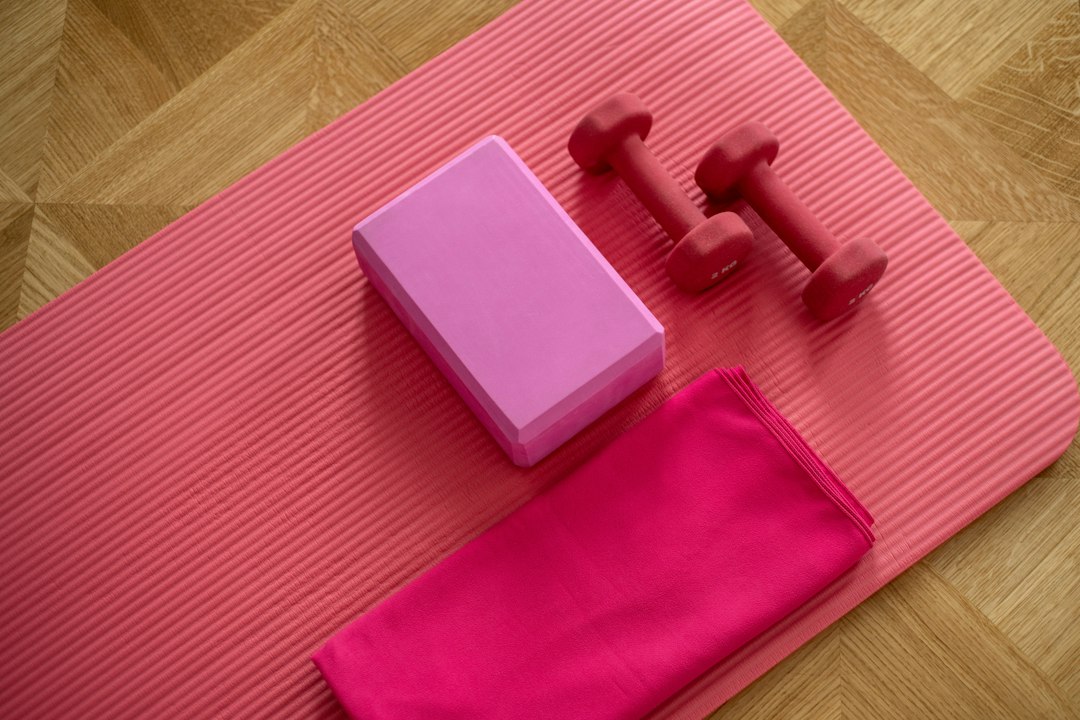
8 minute arms: your quick-start plan
This plan gives you two ways to run the same 8-minute block. Track A uses only your body weight and a stable surface like a chair or sofa edge. Track B uses a pair of dumbbells or resistance bands (choose a light–moderate pair you can lift with good form for 40 seconds). Both tracks target the three major regions people care about for arm definition: biceps in front, triceps in back, and the deltoids that cap your shoulders.
Timer blueprint (default): 8 rounds of 40 seconds of work and 20 seconds to transition. That pacing keeps each set long enough to burn but short enough to keep form tight. Prefer variety? Try one of these timing options:
- EMOM-style: 8 rounds of 45 seconds work and 15 seconds to transition (slightly more intensity, faster flow)
- Even split: 8 rounds of 30 seconds work and 30 seconds to transition (more control and teaching time)
- AMRAP station style: 2 blocks of 4 moves, 1 minute per block, rotate moves continuously with smooth transitions
How to pick your weight on Track B: most beginners feel challenged with 5–12 lb dumbbells; intermediates often use 10–20 lb for presses and 5–12 lb for raises. If you use bands, step farther from the anchor or grip shorter to increase tension. Your litmus test is simple: the last 5–10 seconds should feel tough, but your reps still look clean.
Which track should you start with? If you are new to strength work, nursing cranky wrists, or training in a hotel room, use Track A. If you already strength train or want faster strength gains, use Track B or alternate between A and B across the week.
| Track | Equipment | Primary focus | Best for | Timer scheme | Sample moves |
|---|---|---|---|---|---|
| A: No equipment | Chair/sofa edge (optional) | Triceps, shoulder stability, time under tension | Beginners, travel, small spaces | 8 × 40s work / 20s transition | Narrow-grip push-up, dips, shoulder taps, arm circles |
| B: Dumbbells/Bands | Pair of DBs or loop band | Biceps and triceps strength, shoulder shaping | Beginner–intermediate lifters | 8 × 40s work / 20s transition | Curls, overhead extensions, raises, skull crushers |
If you want core work that matches this quick format, stack this session with our 8 Minute Ab Workout: 8 Moves, 40/20 Timer or keep posture solid by building an anti-rotation base with the 10 Minute Deep Core Workout.
Follow along — 8-minute arms (no equipment)
Do each move for 40 seconds. Use the 20 seconds to shake out your arms and set up the next position. Keep reps smooth and controlled.
- Narrow-grip push-up (knees or toes) — Hands directly under shoulders, elbows brush your ribs. Think long body line and squeeze glutes. Mod: hands on a counter or bench to reduce load. Focus: triceps and front delts.
- Triceps dips on a chair or sofa edge — Fingers point forward, shoulders down away from ears. Bend to a comfortable depth without letting shoulders roll forward. Mod: bend knees more to reduce intensity.
- Plank shoulder taps — High plank, feet slightly wider than hips to resist sway. Tap opposite shoulder lightly without rocking. Imagine balancing a glass of water on your low back.
- Arm circles (forward) — Stand tall, arms out to a T with soft elbows. Small, steady circles for 20 seconds, then gradually make them larger. Keep ribs down so the work stays in your shoulders.
- Arm circles (backward) — Reverse direction. Keep neck relaxed. This long time under tension lights up side and rear delts.
- Diamond push-up on an incline — Make a diamond with your hands on a counter or bench. Lower chest between hands, elbows close. Mod: move hands slightly wider if your wrists feel crowded.
- Boxer punches with rotation — Athletic stance, light fists at cheekbones. Jab–cross while rotating hips and fully extending without locking elbows. Quick but controlled reps.
- Palms-press biceps squeeze — Elbows pinned to sides, palms together in front of you. Squeeze hands into each other as if crushing a ball, hold 2–3 seconds, then ease off a touch and repeat. Keep shoulders down.
Follow along — 8-minute arms (dumbbells or bands)
Again, 40 seconds on and 20 seconds to switch. Choose a load that stays strict. If you can’t control the lowering, go lighter.
- Alternating biceps curl (supinated) — Palms up, elbows stay under shoulders. Curl one arm at a time without swinging. Lower for 2–3 seconds each rep.
- Overhead triceps extension (single DB or band) — Brace your ribs down, elbows point forward like headlights. Control the lower; avoid flaring.
- Lateral raise — Soft elbows, palms slightly toward the floor. Raise to shoulder height, pause, then lower for 2–3 seconds. No shrugging.
- Bent-over row to triceps kickback combo — Hinge at hips, row to ribs, then extend elbows straight back for a kickback. Squeeze shoulder blades on the row and lock in the triceps on the kickback.
- Hammer curl — Palms face each other. This variation stresses brachialis for thicker-looking arms. Keep wrists neutral.
- Floor skull crushers (lying triceps extension) — Lie on your back, DBs over chest, bend elbows to bring DBs near temples, then press back up. Keep upper arms still.
- Front raise or Arnold press (choose lighter load) — If pressing, rotate palms from toward you to away from you as you press. If raising, stop at shoulder height and lower slowly.
- Close-grip floor press — Elbows close to your sides, DBs over chest. Lower with control and press up, squeezing triceps hard at the top.
60-second warm-up and 60-second cool-down
When time is tight, a quick ramp-up keeps joints happy and form crisp. Here’s a simple one-minute primer and one-minute finish.
Warm-up (60 seconds)
- 20s shoulder rolls: 10 forward, 10 backward, slow and big.
- 20s arm swings: cross-body swings, then overhead swings to open the chest.
- 20s scap squeezes: stand tall, squeeze shoulder blades together for 2 seconds, release; repeat.
Cool-down (60 seconds)
- 20s chest doorway stretch: forearm on a doorframe, step forward gently to open the chest.
- 20s triceps stretch: one elbow overhead, gently draw it back with the other hand.
- 20s forearm flexor/extensor stretch: extend arm, pull fingers back lightly; then flip palm down and repeat.
If you are working out at home, skim the quick safety reminders in Stay Safe While Workin’ Out at Home.
Form checks and fixes: avoid these 5 mistakes
Short sessions only work when technique is tight. Use these rapid self-checks during every set.
- Shoulder shrugging — Cue: pockets down, ribs down. Keep neck long, think of sliding shoulder blades into your back pockets.
- Elbows flaring — On curls, presses, and extensions, track elbows close to your torso or pointing forward. If they wander, the load is likely too heavy.
- Using momentum — Slow the lowering for 2–3 seconds. If you need to swing, drop the weight or shorten the range slightly until you can control it.
- Wrist collapse — Keep wrists straight like you’re punching your knuckles at the ceiling or wall. A neutral wrist saves strain at the elbow.
- Partial ROM by habit — Move through a pain-free but full, controlled range. Don’t chase speed; chase clean reps.
Quick form checklist
- Shoulders stay down and back; neck relaxed
- Elbows track close; no wild flaring
- Slow lowers (2–3 seconds) on most moves
- Neutral wrists; knuckles point up or forward
- Full, controlled range you can repeat consistently
Progress it in 8 minutes: 4-week ladder
Eight minutes can keep paying you back if you nudge the stimulus each week. Use one tweak at a time so you can feel what drives your progress. Aim for a moderate effort that lands around 2–3 reps in reserve on most sets (meaning you could have done 2–3 more quality reps if the clock kept running).
| Week | Timing tweak | Load/tempo cue | Goal (RPE or RIR) | Notes |
|---|---|---|---|---|
| 1 | 40s work / 20s transition | Baseline loads; 2–3s controlled lowers | RIR 3 | Learn form and find smooth pacing |
| 2 | 40s / 20s | Slightly heavier DBs or tighter band; keep tempo | RIR 2 | Same moves; feel tension in target muscles |
| 3 | 45s work / 15s transition or add 2–3s end-range holds | Keep load; emphasize pauses and strict control | RIR 1–2 | Choose either longer work or holds, not both |
| 4 | Return to 40s / 20s | Increase load slightly or add a 30s finisher on the toughest move | RIR 1–2 | Finisher idea: curl-to-press or dips to near-failure with clean form |
After Week 4, cycle back to Week 1 with a new variation (e.g., swap curls for preacher-style curls on a bench, or change bands) to keep progress steady. New to strength training? Build broader confidence with the step-by-step guide in Strength Training for Beginners.
Gear, swaps, and space tips
- No dumbbells? Use filled water bottles or cans for curls and raises. Grip lower on the bottle to make it feel heavier.
- Bands beat the space crunch. A single loop band handles curls, extensions, and raises. Learn more in The Benefits of Resistance Bands.
- Small-space setup. A yoga mat and a stable chair or sofa edge cover both tracks. Clear 6–8 feet of floor to avoid clipping furniture.
- Quiet and neighbor-friendly. Every move here is low impact. Place your mat over a rug to dampen any noise from setting DBs down.
- Alternate tracks in a week. For example: Mon A, Wed B, Fri A, next week flip it. That spreads stress and gives your elbows variety.
FAQs: 8 minute arms answered
Is an 8-minute arm workout enough to see results?
It can move you forward when it’s consistent and structured. Expect a noticeable bump in stamina and mind–muscle connection within 2–3 weeks if you train 3–4 days per week and inch up load, tempo control, or work time across the month. For bigger strength jumps, pair this with longer sessions on some days.
Can I tone my arms without weights?
Yes. Bodyweight moves like narrow-grip push-ups, dips, shoulder taps, and long-duration arm circles create solid tension for triceps and shoulders, and isometric squeezes challenge biceps. If you want more resistance without buying DBs, a single loop band adds plenty of challenge.
How often should I do an arm workout each week?
Three to four short sessions work well for beginners to intermediates. You can also stack this 8-minute block after full-body or cardio days as a finisher. Rotate Track A and Track B across the week to keep elbows fresh.
What weight dumbbells should I use for toned arms?
Most beginners start around 5–12 lb DBs for curls and extensions and 5–10 lb for raises. Intermediates often use 10–20 lb for presses and 8–15 lb for curls. Choose a weight that makes the last 5–10 seconds hard but doesn’t break your form.
How long does it take to notice changes in arm strength or definition?
Strength tends to improve first, and many people notice it within a couple of weeks. Visible definition depends on your overall routine and nutrition. Keep your lifting consistent, manage daily habits, and consider complementing with a balanced plan like our low impact workout plan for total-body support.
Will arm exercises reduce arm fat, or do I need full-body work too?
Arm moves strengthen and build the muscles of your arms. Changes in fat come from overall energy balance and full-body activity patterns. Include walking or other cardio you enjoy, keep protein intake appropriate for your goals, and train your whole body. Rest is part of progress too—see our rest-day guide.
Ready to make this habit stick? Pair these 8 minutes with a brief full-body session from our Beginner Strength Training Plan for Busy Adults, or sprinkle it on days you can’t lift longer. Small, repeatable work adds up.